The LAPD just dropped Flock: why a major police department walked away from license plate surveillance
- WeThePurple
- News
- 7 min read
On 12 July 2026 the LAPD let its contract with license plate reader company Flock expire, citing serious civil liberties and privacy concerns. What happened, what ALPR cameras record about every driver, why other cities are pulling back too, and what you can honestly do.
On 12 July 2026, the Los Angeles Police Department let its contract with Flock, the automated license plate reader company, quietly expire instead of renewing it. It is a striking moment: one of the largest police departments in the United States walking away from a mass surveillance tool, and saying out loud that the reason is civil liberties and privacy. According to reporting from TechCrunch and Los Angeles outlets, the three-year agreement lapsed and was not renewed.
The department was unusually direct about why. LAPD's chief information officer, Dean Gialamas, said the contract was not being renewed because of serious concerns around civil liberties and civil rights issues, particularly around privacy and the data being collected from the cameras. Flock, for its part, told TechCrunch it was surprised by the decision and believed it could clear up what it called misconceptions.
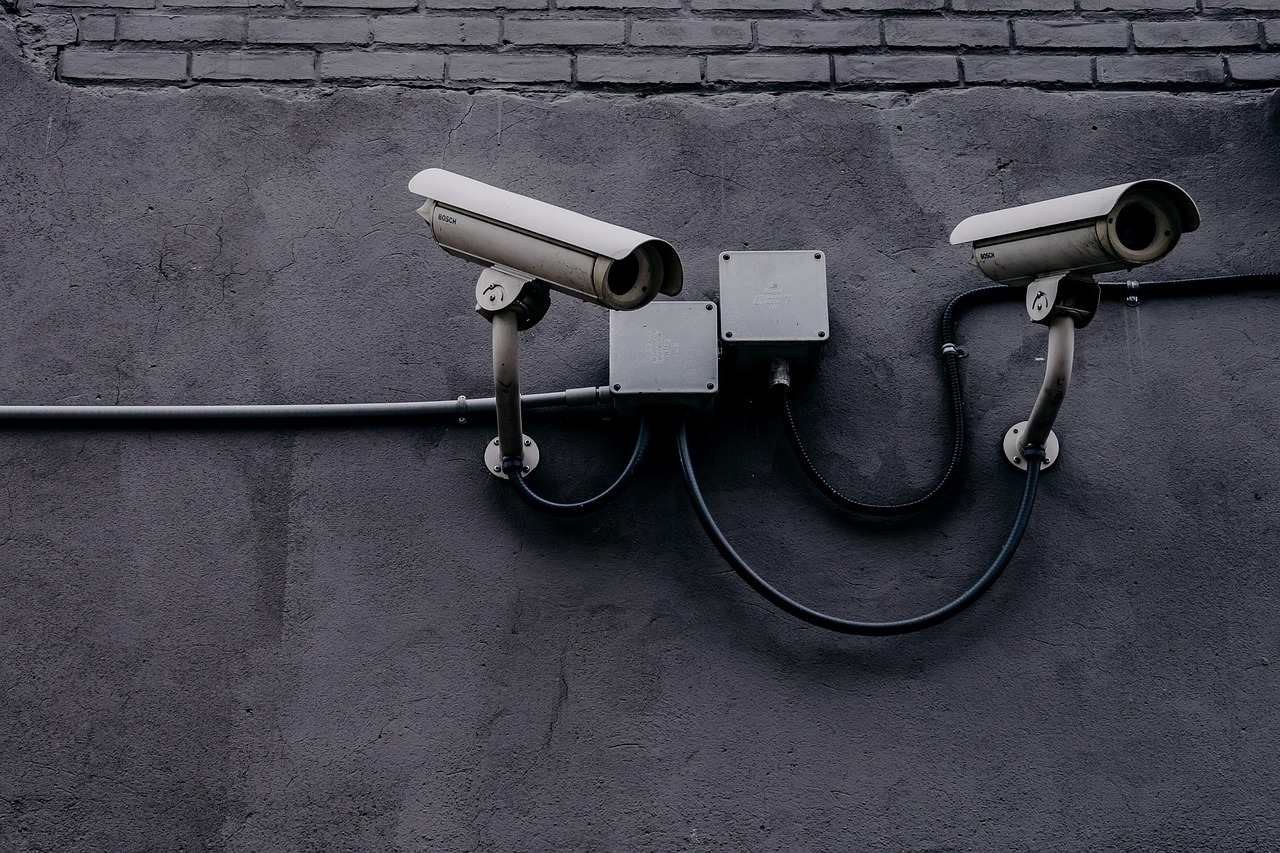
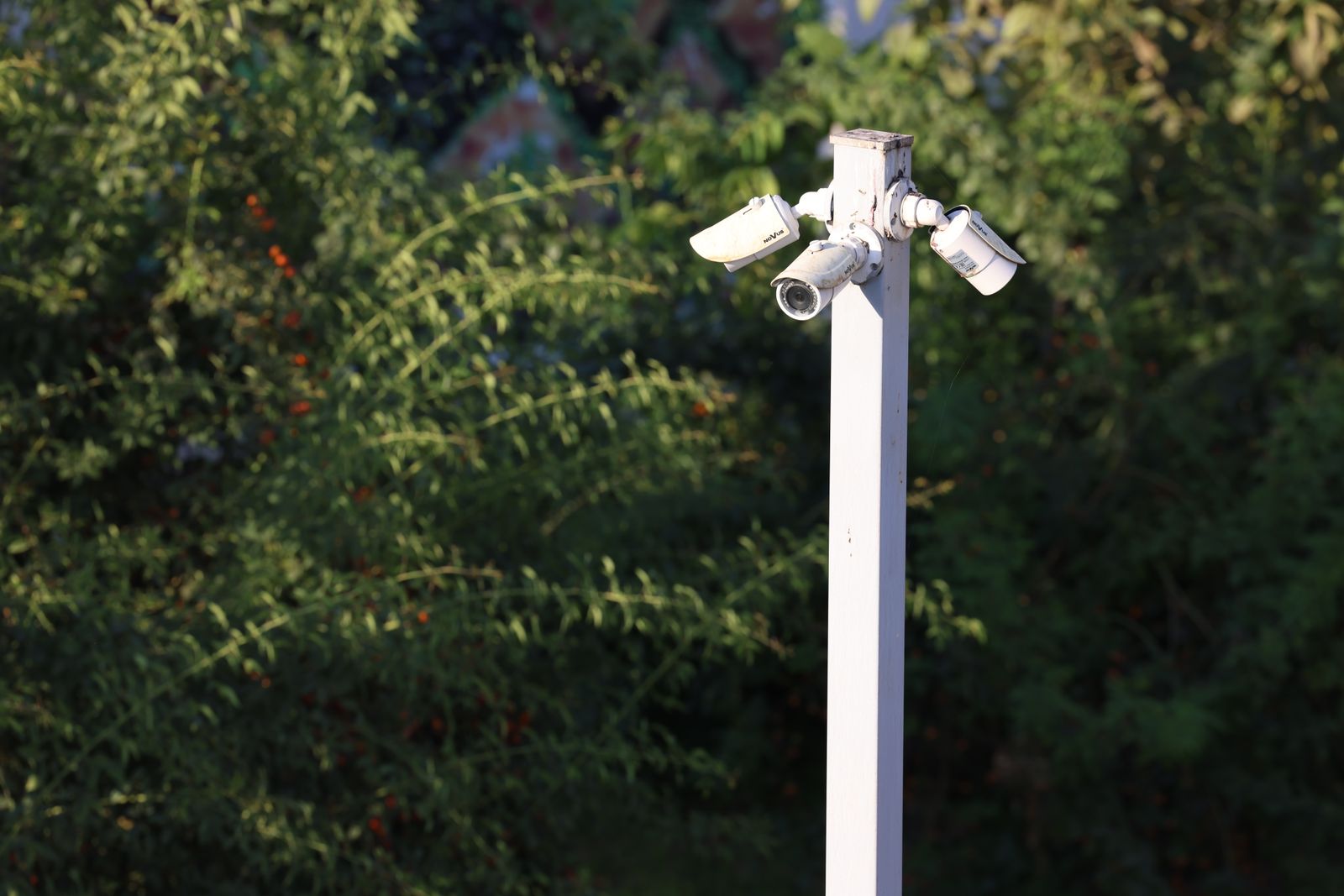
To understand why this matters, it helps to know what Flock's cameras actually do. Automated license plate readers, or ALPRs, photograph every vehicle that passes and log the plate number along with the time and location. They do not target suspects; they record everyone. Over time that builds a searchable history of where ordinary people drive, when, and how often - a detailed map of daily life assembled without a warrant and without most drivers ever knowing.
Los Angeles is not acting alone. Other cities have also stepped back from Flock. According to the reporting, places such as Mountain View, California and South Portland, Maine ended their use of the cameras over privacy worries, including concerns that federal immigration officials were using the systems to track people in ways that conflicted with local sanctuary policies. The LAPD's decision lands in the middle of a growing national reckoning, not at its edge.
Security and oversight failures have fed the backlash. Lawmakers have urged investigations into Flock over inadequate security, including the lack of multi-factor authentication on police logins, and reports that federal agencies used police credentials to reach the system for immigration surveillance. When a database tracking millions of ordinary drivers can be reached with weak protections, the risk is not hypothetical - it is a standing invitation for misuse.
There is also a documented human cost. Researchers have noted an increase in cases of motorists being pulled over, detained at gunpoint, or even jailed because of false positives and errors in license plate readers. A misread plate or a stale database entry can turn a routine drive into a terrifying encounter, and it is the driver, not the software vendor, who pays for the mistake.
For a privacy-minded reader, the honest takeaway is mixed. On one hand, a major department publicly rejecting a mass tracking contract on civil liberties grounds is genuinely significant - it validates concerns that privacy advocates have raised for years and shows those arguments can win. On the other hand, ALPR cameras remain widespread across the country, run by other departments and private networks, so one city pulling back does not make the technology disappear.
What can you actually do about it? Be clear-eyed: you cannot opt out of cameras on public roads, and no app hides your license plate from them. The real levers are civic, not technical. You can learn your city's surveillance policies, support local rules that require oversight, retention limits and audits, and pay attention to who your local agencies share data with. Decisions like the LAPD's happen because residents and advocates push for them.
The bottom line: the LAPD letting its Flock contract expire is one of the clearest signs yet that the debate over automated license plate readers is shifting. A department that once paid for blanket vehicle tracking has decided the civil liberties cost is too high. That does not end mass surveillance, but it is a real marker that the concerns are being taken seriously at the level where these systems are bought and deployed.
The contract is the part of these systems that decides what they are, and it is a public record. For the questions that come before a single city's decision - what a Flock camera records and how to find your town's contract - the route is the same in every town.