Orange County police are tripling drone use and expanding license plate readers, amid budget deficits
- WeThePurple
- News
- 7 min read
Voice of OC reports that Orange County's largest law enforcement offices are ramping up drones, street cameras and automated license plate readers with little public debate, even as the county faces budget shortfalls. What the tools record, the immigration-data concern, and what residents can honestly do.
Orange County, California is quietly expanding how its police watch the public. According to reporting by Voice of OC, a nonprofit newsroom, at least three of the county's largest law enforcement offices are ramping up their spending on and use of drones, street cameras and automated license plate readers, and they are doing it with little public discussion. The expansion is drawn from the agencies' own annual disclosures on how they use military and surveillance equipment.
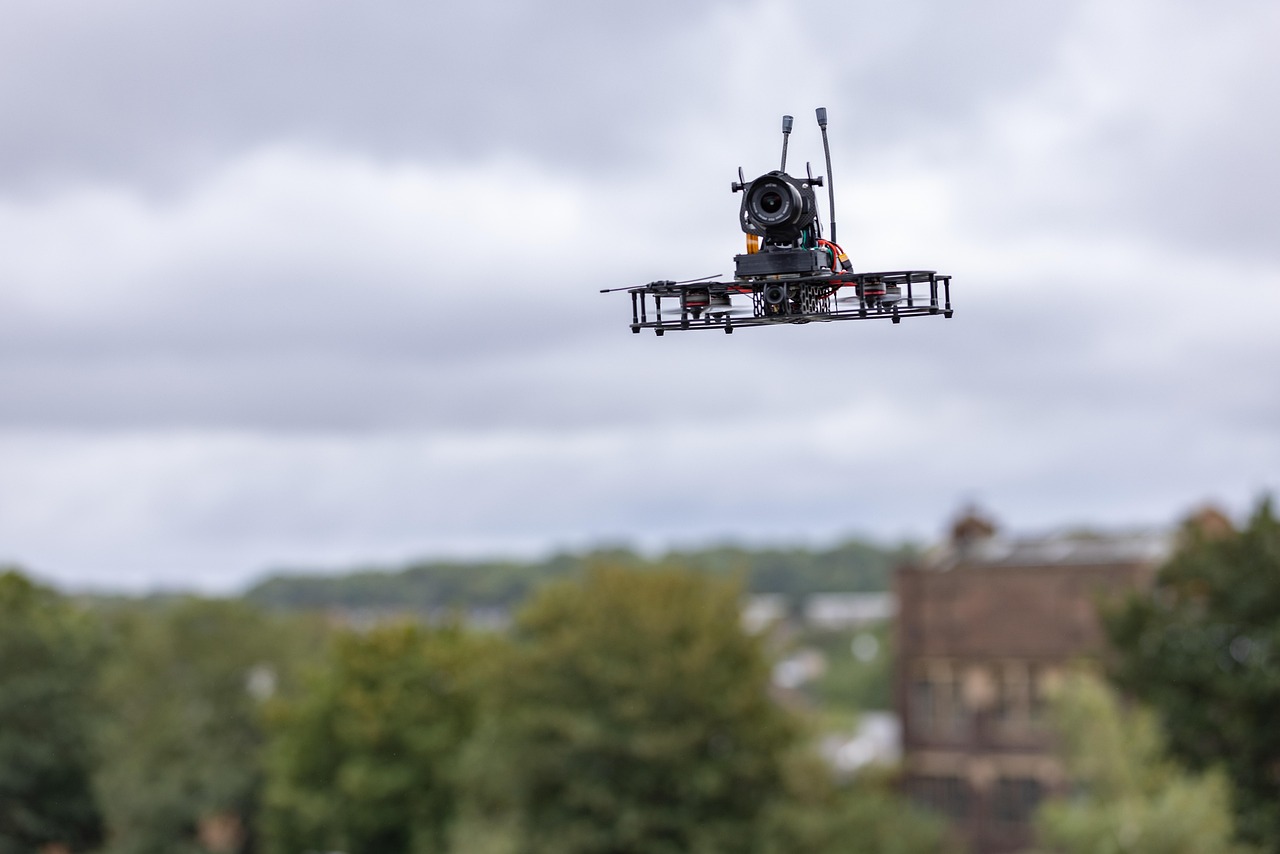
The clearest number is about drones. Voice of OC reported that Orange County Sheriff's deputies more than tripled their drone use over the past year, deploying them close to 500 times compared with about 150 times the year before. That figure comes from the annual equipment disclosures the agencies are required to publish, which are one of the few windows the public has into how these tools are actually used.
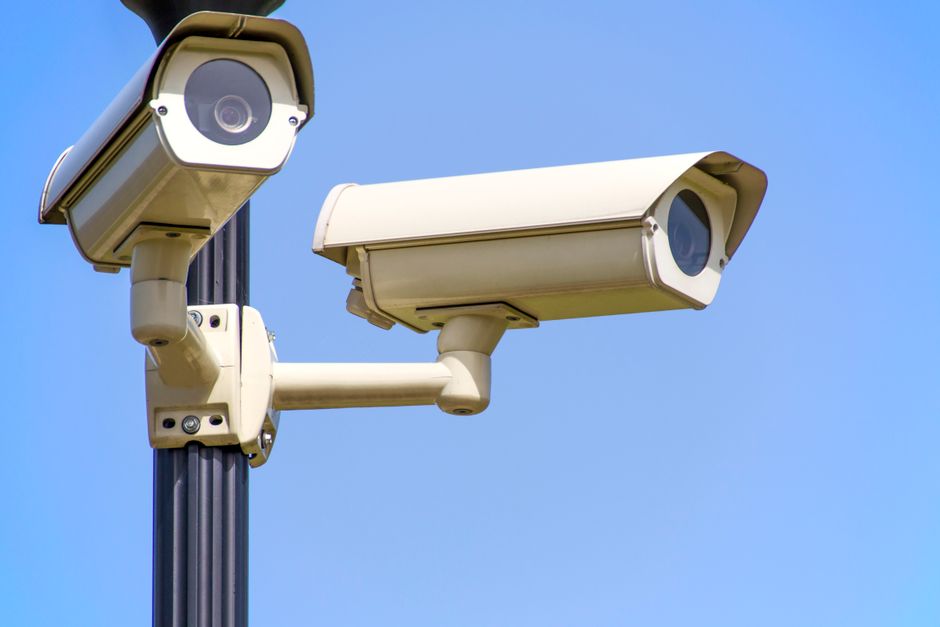
Drones are only part of it. The same reporting describes officials across Orange County moving ahead with more street cameras and more automated license plate readers, often called ALPR, to widen their surveillance footprint. These are not targeted tools aimed only at suspects; they record broadly.
It helps to be clear about what an automated license plate reader actually does. An ALPR camera photographs the plate of every vehicle that passes it, then logs the plate number together with the time, date and location. Over months, a network of these cameras can reconstruct where an ordinary person drives, when, and how often, whether or not they are accused of anything. The record is built on everyone, not just people under investigation.
Drones add a different capability: persistent aerial monitoring. A camera-equipped drone can loiter over a neighborhood, follow movement, and capture footage from angles fixed cameras cannot reach. Used case by case with a warrant, that is one thing; used routinely and at scale, it changes how much of public life is recorded by default.
A specific worry runs through the reporting: where the footage ends up. Voice of OC noted concerns that surveillance data gathered locally could reach federal immigration agents. Once images and plate records exist in a database, the question of who can request them, and under what rules, becomes central, and that is often decided by policy rather than by the camera itself.
The timing is what makes it notable. According to the reporting, several of the same cities and the county are wrestling with structural budget deficits and warnings that they need to tighten spending. Expanding surveillance programs at the same moment raises a straightforward question about priorities that, per Voice of OC, has not had much public debate.
That lack of debate points to the real gap: oversight. The annual military-equipment disclosures exist precisely so residents and elected officials can see what is being bought and how it is used. When expansions move forward with little public discussion, those disclosures become the main, and sometimes the only, accountability mechanism.
So what can a resident honestly do? The most useful step is to read the disclosures themselves; because they are public records, they name the equipment and the usage figures. Beyond that, attend the oversight or council meetings where these programs are approved, and ask how long footage is retained and who can access it. It is worth being honest about the limits too: there is no consumer setting that opts your car out of a license plate reader, and everyday digital-privacy habits do little against physical cameras in public space. The leverage here is civic, not technical.
The Orange County picture is a local example of a national pattern: surveillance tools spreading faster than the public rules that govern them. The tools themselves are neutral hardware. What decides whether they protect a community or simply watch it is the policy around retention, access and disclosure, and whether anyone is paying attention when the budgets are approved.