What is doxxing? How it works and how to protect yourself
- WeThePurple
- Protect
- 7 min read
Doxxing means publishing someone's private information online - home address, workplace, phone - to expose or harass them. What doxxing is, how doxxers piece your details together, the real harm it causes, and the practical steps to protect yourself.
Doxxing is one of the internet's most personal threats, and it can happen to almost anyone who upsets the wrong person. The word is short for “dropping documents” - publishing someone's private details online to expose, intimidate or punish them. You do not need to be famous to be a target. A heated argument, a viral post, or simply belonging to a group someone dislikes can be enough.
The better news is that doxxing leans on information that is often easier to lock down than people expect. This guide explains what doxxing really is, how attackers gather your details, the harm it can do, and the concrete steps that make you a harder target.
What doxxing actually is
Doxxing means collecting and publishing private, identifying information about a person without their consent. That can include the real name behind a pseudonym, a home or work address, a phone number, an employer, family members, or photos that give away where someone lives. The aim is almost always to expose or to frighten.
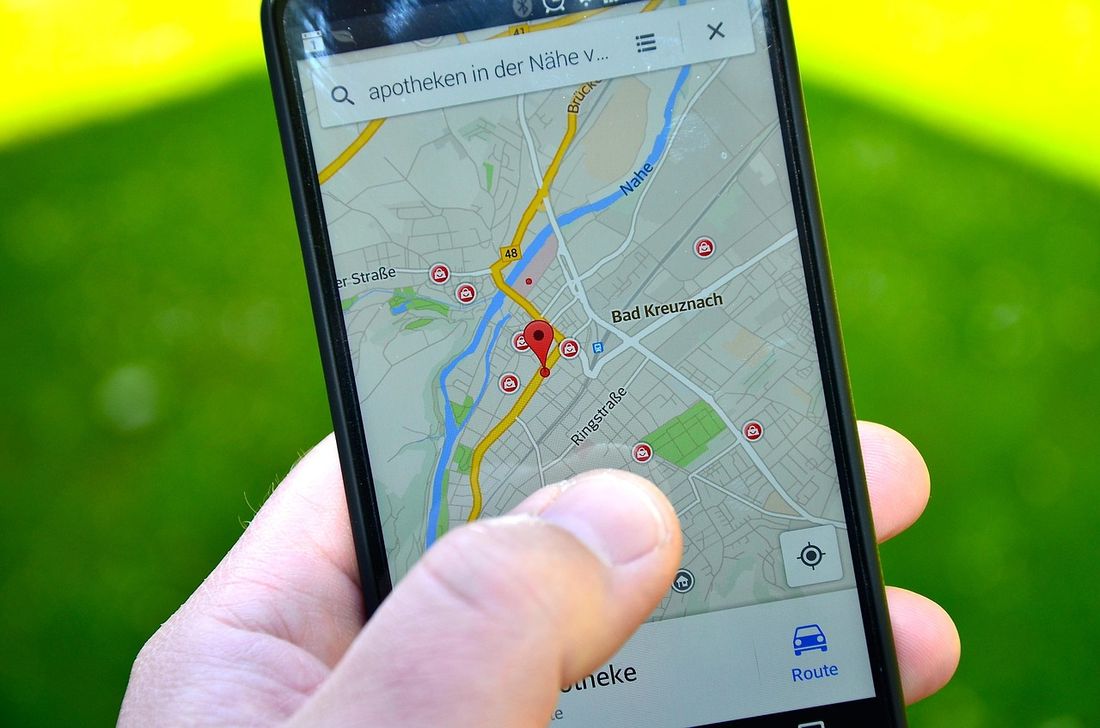
What makes it dangerous is rarely one big secret leaking. It is the way scattered, individually harmless details get pieced together into a full profile. A username here, a photo's location there, a public record somewhere else - combined, they can point straight to your front door. Monitoring aimed at one person by someone who knows them works differently again, see how to detect stalkerware.
How doxxers find your information
So how does doxxing actually work? Almost never by breaking into anything. Doxxers work the way a researcher works: they collect fragments that are already public, then join them up. Understanding the join is what lets you break it.
- Use a pseudonym and a separate email for public accounts - keep your real name out of bios
- Opt out of the big data brokers that sell your profile
- Tighten social media privacy settings and limit who can see your posts
- Strip location data (EXIF) from photos before posting them
- Protect your email with a strong, unique password and two-factor login
- If targeted: screenshot everything, report it to the platform, and contact police if threatened
The usual starting point is a reused username. A handle you picked years ago on a forum, still used on a photo site and a gaming profile, is a thread that ties a pseudonymous account to accounts where you used your real name. Search engines and dedicated tools make that thread trivial to pull.
The real-world harm
From there, data brokers fill in the outline. These companies compile and sell profiles built from purchase records, marketing lists and public filings, and a single paid lookup can return a name, an age range, past addresses and likely relatives. Nothing there was stolen; it was assembled and put on sale.
How to protect yourself
Public records supply the parts brokers miss - property and business filings, court records, professional registers, and in some countries electoral rolls. Then old breach dumps turn an email address into a password, a phone number, or the other accounts that reused the same credentials.
Photographs finish the job. Most platforms strip EXIF location data when you upload, so the usual advice about metadata is less protective than it sounds - but the image itself still talks. A view from a window, a street sign, a bus route, a reflection in a mirror: each narrows the search area, and reverse image search can find every other place that same picture was posted.
None of these steps requires a crime, which is exactly what makes doxxing hard to prosecute and easy to attempt. It also points at the only reliable defence: you cannot un-publish what is already out there, but you can break the links between the pieces - different usernames, different emails, an opt-out from the brokers that hold the largest files on you.
Most doxxing uses information that is already public or semi-public. Data brokers sell detailed profiles built from public records and online activity. Social media reveals routines, places and relationships. Old accounts, forum posts and reused usernames quietly tie your separate identities together across the web.
From there it is patient detective work. A doxxer cross-references what you have posted, searches a username across platforms, checks photo backgrounds for landmarks, and buys the rest from data brokers. Very little of it needs hacking - it is mostly careful collection of things people leave out in the open.
Doxxing is not just an online nuisance. Once private details are public, they can fuel harassment that spills into real life: threatening messages, unwanted deliveries, calls to an employer, or “swatting”, where a fake emergency call sends armed police to a victim's home. The fear of what a stranger might do with your address is itself the goal, and victims often report stress, lost sleep and a lasting sense of being unsafe.
You cannot erase yourself completely, but you can close the easy paths. Start by separating your real identity from your public accounts: a pseudonym, a separate email, and no personal details in your bios. Opt out of the major data brokers, tighten social media privacy settings, and strip location data from photos before you post them. Above all, protect your email with a strong, unique password and two-factor login - it is the account attackers want most.
If you are doxxed, act quickly: document everything with screenshots, report the content to the platform, and contact the police if there are threats. Tightening your accounts and shrinking your public footprint before anything happens is far easier than cleaning up afterwards. The less there is to find, the less a doxxer can do with it.
Most ordinary incidents leave no file to scan and break no encryption: the password is typed by hand, on a page that looks right. What protects you is an arrangement, not a tool. Situate your own attack surface, 10 questions, about three minutes, no account, no email, nothing stored.

Photographs finish the job. Most platforms strip **EXIF** location data when you upload, so the usual advice about metadata is less protective than it sounds - but the image itself still talks. A view from a window, a street sign, a bus route, a reflection in a mirror: each narrows the search area, and **reverse image search** can find every other place that same picture was posted.