Mass surveillance, explained
- WeThePurple
- Rights
- 8 min read
An editorial primer for citizens - what mass surveillance is, how it differs from targeted surveillance, why metadata matters, and why privacy is a civic right.
Mass surveillance is the collection of data about whole populations, not set, suspected people. Targeted surveillance begins with one person and one reason. Mass surveillance begins with everyone and sorts through the haul later. That flip - gather first, find reasons later - is what the term really means. It is also the root of nearly every fight around it.
The line between targeted and mass surveillance is the heart of the matter, not a small point. Targeted surveillance is done under oversight and tied to set suspicion. It is a long-accepted way to investigate. Mass surveillance drops the need for suspicion about one person. Instead it treats whole populations as data to collect. That raises questions targeted methods simply do not.
Who watches, and the role of metadata
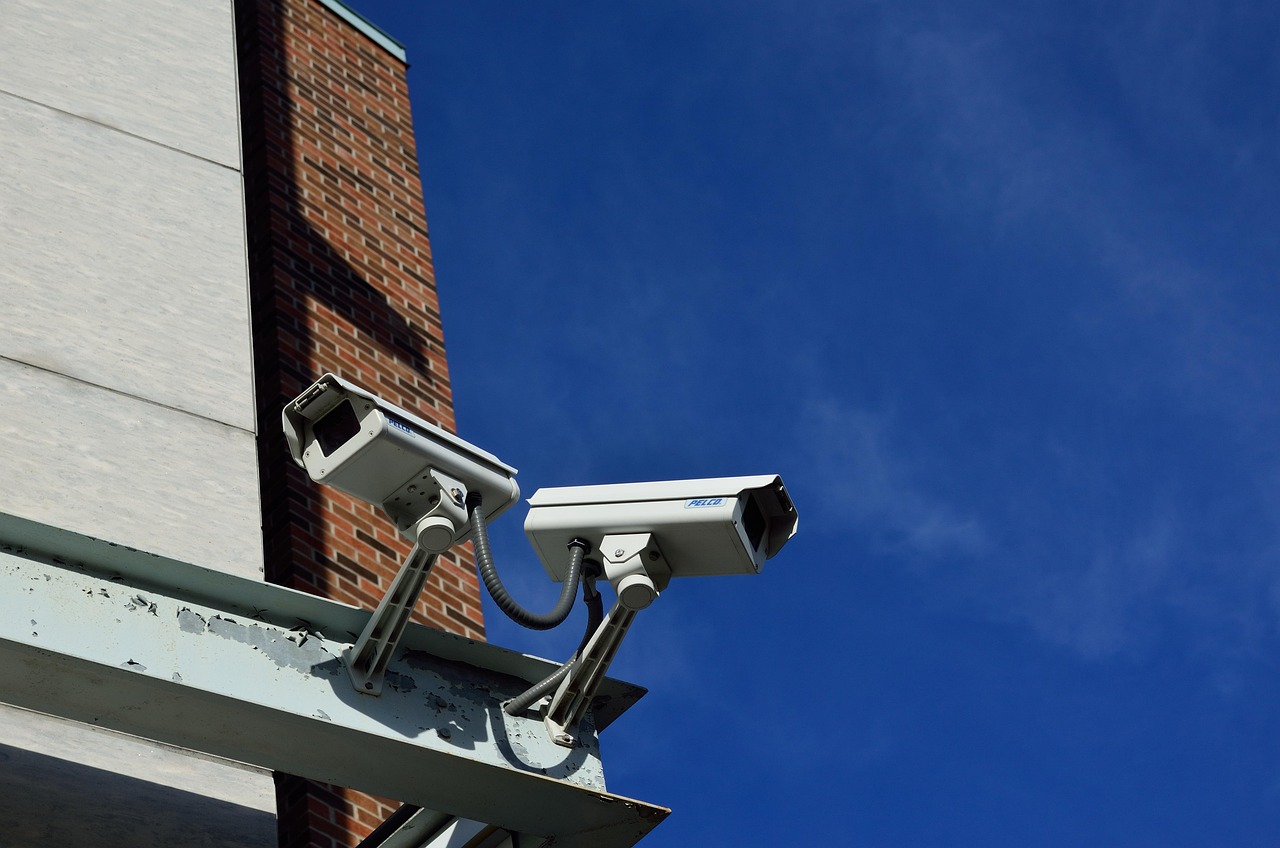
Both states and companies do it, and the two are tightly linked. Governments may collect communications metadata, watch networks, or place cameras with face recognition in public. Companies build rich profiles from the data we make as we browse, shop, and move. They often sell access to those profiles. And states often buy or get data companies have already gathered. That blurs the line between business and government watching. Whether that residue counts as personal data, and what it has already revealed, is covered separately in is metadata personal data?.
Metadata deserves real attention because it is so easy to play down. Metadata is the data about your communications, not their content: who you contacted, when, for how long, and from where. People often call it less sensitive than content. Yet in bulk it can reveal more. A run of calls to a clinic, a lawyer, and a relative late at night tells a clear story without a single message being read.
Why 'nothing to hide' falls short
The common line, 'I have nothing to hide,' does not hold up to much thought. Privacy is not about hiding wrongdoing. It is about keeping control over your own data and the setting in which it is seen. Everyone draws curtains, seals envelopes, and has chats they would not want broadcast. Not because they are guilty, but because privacy is a normal part of a free and ordinary life.
- Targeted surveillance starts from a suspect; mass surveillance starts from everyone
- Both states and companies do it - and states buy data companies collect
- Metadata (who, when, where) can reveal more than the content itself
- The 'nothing to hide' line misreads what privacy protects
- Surveillance has a known chilling effect on free speech
- Privacy is a civic right because it holds up other freedoms
There is also a known social cost to being watched, called the chilling effect. When people think they are under surveillance, they tend to self-censor. They read less freely, speak with more care, and avoid links to unpopular ideas. A society where people quietly narrow their own lawful acts out of a sense of being watched is a less free one. That holds even if no one is ever charged with anything.
Why privacy is a civic right
This is why privacy is widely treated as a civic right, not a personal taste. International human-rights texts recognise a right to private life. Many constitutions guard against random intrusion. They do so because privacy holds up other freedoms - free speech, free assembly, a free press, and the room to dissent. So surveillance that wears down privacy reaches the base of democratic life, not just personal comfort.
Public awareness of state mass surveillance grew sharply after 2013. That year, documents released by Edward Snowden showed broad programmes run by intelligence agencies. The leaks led to court cases and law reforms in several countries. They also led to a lasting public debate about the right limits of surveillance. That debate goes on as technology advances and new collection methods appear.
Snowden, the tension, and what citizens can do
It is worth being fair about the real tension here. Security and privacy are both real public goods. Societies rightly argue over where to draw the line between them. The serious questions are about proportionality, oversight, and accountability. Is collection targeted and justified? Can independent bodies check it? Do ordinary people have any real recourse? Treating either side as plainly right is less useful than facing that tension with honesty.
No one person can take down mass surveillance alone. But the two responses to it work together rather than against each other. Personal tools - encrypted messaging, encrypted email, a VPN, tracker blocking - cut how much of your data is swept up. Civic action - backing oversight, transparency, and legal limits - tackles the structures. Knowing what mass surveillance is, and why privacy is a right, is the first step toward both.


Public awareness of state mass surveillance grew sharply after 2013. That year, documents released by Edward Snowden showed broad programmes run by intelligence agencies. The leaks led to court cases and law reforms in several countries. They also led to a lasting public debate about the right limits of surveillance. That debate goes on as technology advances and new collection methods appear.