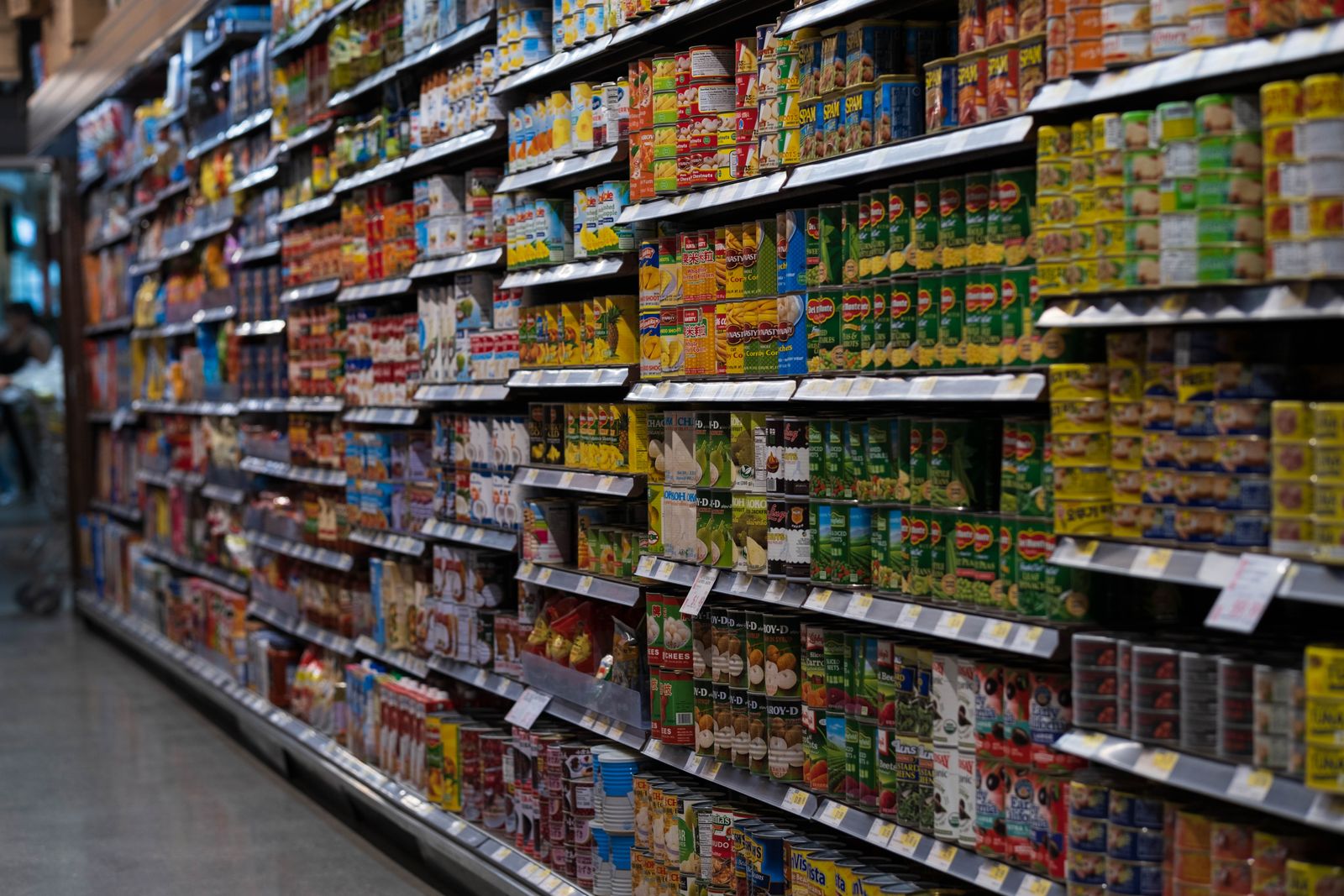
Walmart's digital price tags and the fear of surveillance pricing
- WeThePurple
- News
- 6 min read
Walmart is rolling out digital shelf labels to every US store by the end of 2026. What these electronic price tags are, the surveillance-pricing fear, what is actually tracked (and what isn't), the laws being passed, and how to protect your privacy at the checkout.
If you have noticed the paper price stickers disappearing from the shelves at your supermarket, you are watching a quiet but large shift. Walmart, the biggest retailer in the United States, is rolling out digital shelf labels - small electronic screens that show a product's price - across all of its US stores by the end of 2026. The labels are already in roughly 2,300 stores, supplied by the French company VusionGroup.
On its own, a screen that displays a price instead of a printed tag is mundane. What has put digital shelf labels in the privacy conversation is what they could enable next: pricing that changes in real time, and the fear that one day the price you see could be set partly from data about you. That fear has a name - surveillance pricing - and it is worth understanding what is real about it and what is not.
What digital shelf labels are
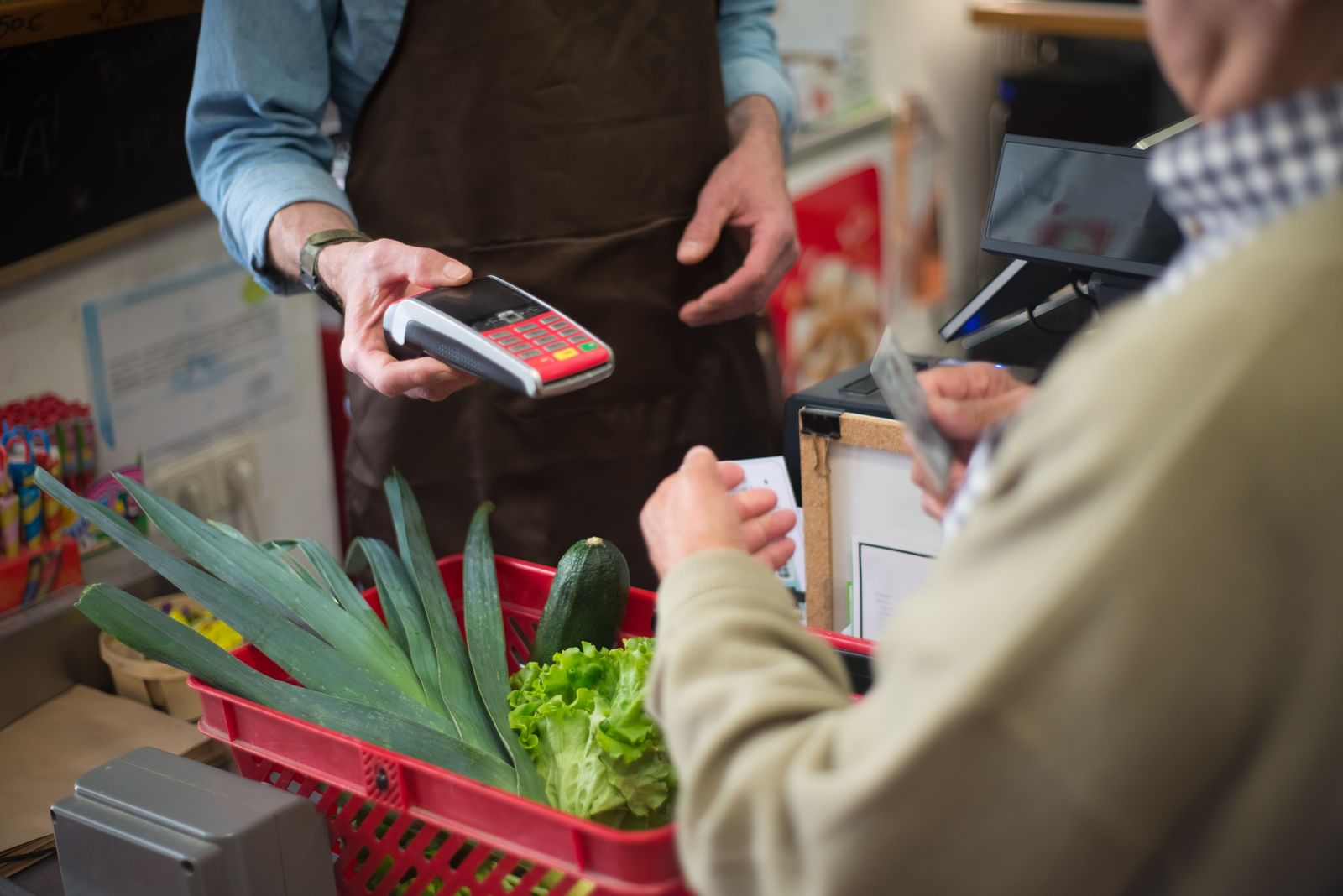
Digital shelf labels, often called DSLs or electronic shelf labels, are small e-paper or LCD displays clipped to the front edge of a shelf. Instead of a staff member walking the aisles with a price gun, the store updates prices centrally and the labels change over a wireless network. For the retailer the appeal is obvious: fewer pricing errors, less labour, and the ability to correct a price across thousands of stores in minutes.
The same technology that lets a store change one price instantly also lets it change prices often. That is where digital shelf labels meet dynamic pricing - adjusting a price up or down based on demand, time of day, stock levels or competitor prices. Dynamic pricing is already normal for airline seats and ride-hailing. Bringing the underlying capability into the grocery aisle is what makes some shoppers uneasy.
The surveillance-pricing fear
The deeper worry is not dynamic pricing in general but surveillance pricing: using your personal data to charge you, specifically, a different price than the customer standing next to you. The concern is widely shared. One survey found that 68% of Americans want the practice banned. People accept that a flight costs more at peak times; far fewer accept being charged more because of who an algorithm thinks they are.
- Digital shelf labels (DSLs) are electronic price displays - Walmart is rolling them out to all US stores by end of 2026
- On their own they show only price and stock; Walmart says they run in a "closed loop"
- The real concern is surveillance pricing - using your data to charge you a different price (68% of Americans want it banned)
- Your habits are still tracked via apps, loyalty accounts, payment cards and point-of-sale data
- Maryland, Colorado and Connecticut have passed laws addressing surveillance pricing
- Pay with cash or an unlinked card, and limit loyalty apps and their permissions
Walmart has filed patents that show where this technology can go. A patent application published by the US Patent and Trademark Office in January 2026 describes a system that "dynamically and automatically updates item prices." A second, from March 2026, describes using machine learning to forecast demand and recommend prices at large scale. A patent is a description of a capability, not proof that a company is using it on customers - but it does show the direction of travel.
It is important to be precise here, because this is where fear and fact part ways. A patent for a price-updating system is not the same as a deployed system that prices individual shoppers differently in real time, and there is no public evidence that Walmart's shelf labels do that today. The honest summary is that the capability is being built and the labels make rapid price changes possible - not that personalised in-store pricing is happening to you right now.
What is actually being tracked
Walmart has said its digital shelf labels operate in a "closed loop" - that the labels handle only price and stock information, and are not tied to your identity or used to price you personally. Taken at face value, the label on the shelf is not watching you. That distinction matters, and it is the part of the story that often gets lost when "electronic price tags" and "surveillance pricing" are blurred together into a single scare.
But the label is not the only thing in the store, and your shopping habits are tracked through other channels regardless of how the shelf tags work. Retailer apps, loyalty accounts, payment cards and point-of-sale data all build a profile of what you buy, when and how often. Some retailers go further with in-store cameras and Wi-Fi signals that can estimate where shoppers move. The shelf label may be a closed loop; the surrounding data ecosystem is not.
The legal response
Lawmakers have started to respond. Maryland, Colorado and Connecticut have all passed laws addressing surveillance pricing - an early sign that the practice is being treated as a privacy and consumer-protection issue, not just a pricing question. These are state-level measures rather than a single national rule, so what is restricted depends on where you live, and the legal picture is still taking shape.
How to protect your privacy at the checkout
You cannot opt out of a store's shelf labels, but you can limit how much the rest of the system learns about you - and personal data is the raw material any surveillance pricing would need. The most direct lever is payment. Paying with cash, or with a card not linked to a loyalty profile, breaks the tie between a purchase and a long-term record of your habits. It will not stop a camera from seeing you, but it removes one of the cleanest signals a retailer can use.
Beyond payment, be deliberate about loyalty programmes and store apps. They trade discounts for a detailed log of everything you buy, so join only the ones whose savings you genuinely use, and review the permissions you grant their apps - location access in particular. None of this requires giving up grocery shopping or living off-grid. It is the same calm, practical approach to privacy that works everywhere else: share less by default, and decide on purpose when a convenience is worth the data it costs.

Lawmakers have started to respond. Maryland, Colorado and Connecticut have all passed laws addressing surveillance pricing - an early sign that the practice is being treated as a privacy and consumer-protection issue, not just a pricing question. These are state-level measures rather than a single national rule, so what is restricted depends on where you live, and the legal picture is still taking shape.