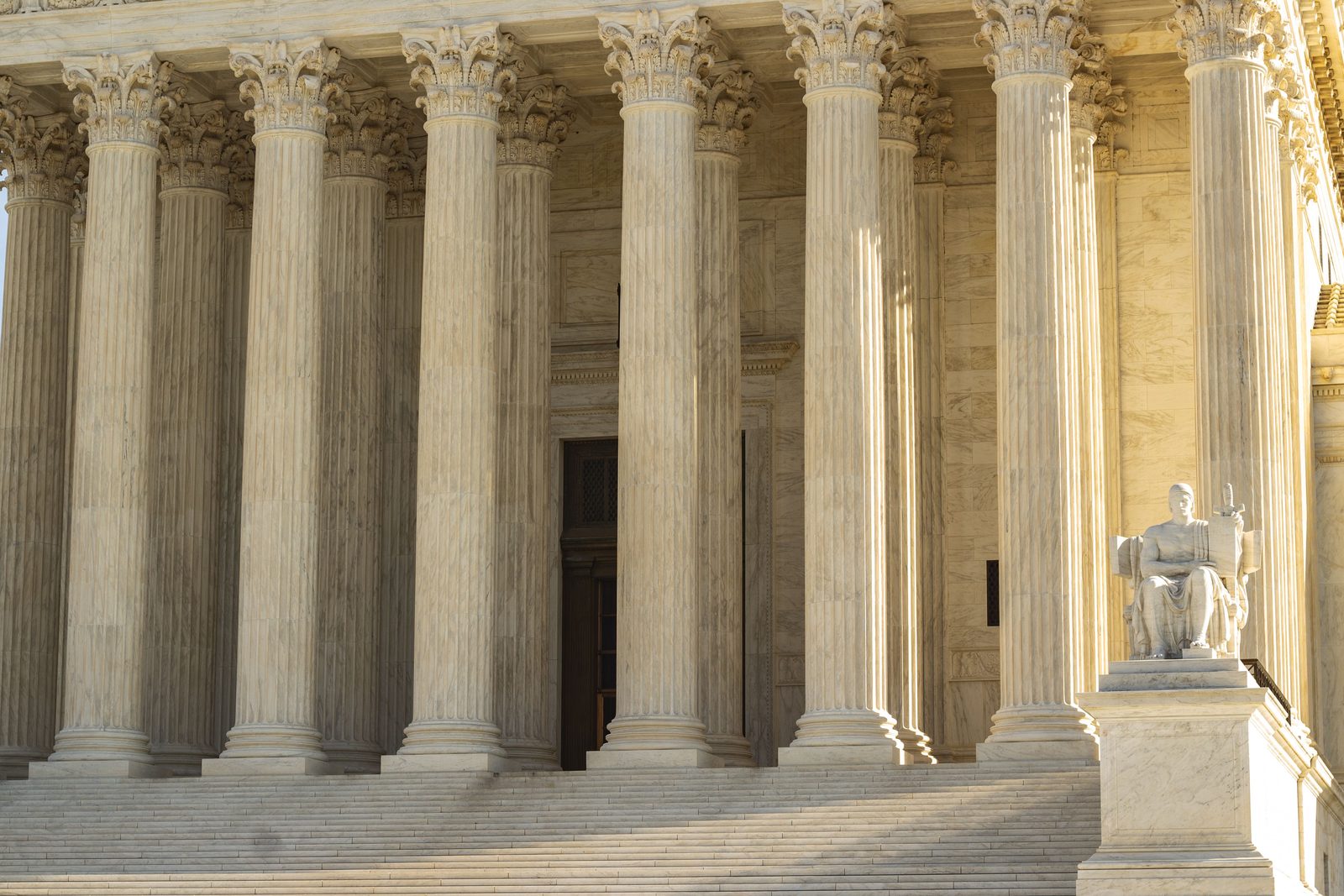
The Supreme Court did not ban geofence warrants: what Chatrie actually decided
- WeThePurple
- News
- 7 min read
On 29 June 2026 the Supreme Court held six to three that demanding your phone's location records is a Fourth Amendment search. It did not rule geofence warrants unconstitutional, and it sent the case back. What changed, what did not, and what it means for the plate cameras on your street.
On 29 June 2026 the Supreme Court decided Chatrie v. United States, and a great many headlines told you that geofence warrants had just been struck down. That is not what the Court held, and the gap between the ruling and the coverage matters if you are trying to work out what actually changed for the cameras and databases pointed at your street.
The case began with an armed robbery at a credit union. Investigators did not have a suspect, so they asked Google for a list of every device that had been near the scene during a window of time. That request is what a geofence warrant is: it starts from a place and a moment, and works backwards toward a person, rather than starting from a person and seeking evidence.
Okello Chatrie was identified through that list and the location data was used against him. The question that reached the Supreme Court was narrow: when police demand those records, is that a search under the Fourth Amendment at all?
What the Court actually held
The Court answered yes, by six votes to three, in an opinion written by Justice Elena Kagan. The reasoning is the part worth keeping: an individual has a reasonable expectation of privacy in records about his cell phone's location, and police intrude on that constitutionally protected interest when they demand the information. Kagan adds that this holds even where the demand covers only a limited period, and even though the records sit with a third-party technology company.
That last clause is the substantive shift. For years the argument against protecting this data leaned on the idea that anything you hand to a company is no longer private. Chatrie says the Constitution reaches it anyway.
What it did not decide
Now the part the headlines dropped. The Court decided that the demand was a search. It did not decide that this warrant was invalid, that geofence warrants are unconstitutional, or that evidence gathered this way must be thrown out. It expressly left open whether the particular warrant was reasonable and whether the good-faith doctrine applies, vacated the judgment below, and sent the case back to the Fourth Circuit to work through those questions.
- Decided 29 June 2026, six to three, majority opinion by Justice Elena Kagan.
- The holding: demanding a person's cell phone location records from a third party is a Fourth Amendment search.
- The Court did NOT rule geofence warrants unconstitutional, and did not suppress the evidence.
- It left open whether this warrant was reasonable and whether good faith applied, and remanded to the Fourth Circuit.
- Application to licence plate readers is unsettled: Chatrie concerns records held by a company, not cameras filming a public road.
In plain terms: police now need to satisfy the Fourth Amendment when they make these demands. They have not been told they may never make them. A search that is properly warranted and reasonable remains lawful, and that is a very different world from one where the technique itself is banned.
What it means for licence plate readers
So what does this mean for automated licence plate readers, the Flock cameras and similar systems this site has covered in Milwaukee, Orange County and Los Angeles? Less than the more excited commentary suggests, and possibly a good deal over time.
The direct application is genuinely uncertain. Chatrie concerns location records held by a technology company about a device you carry. An ALPR camera photographs a vehicle on a public road, and courts have long treated what is visible in public differently from what is stored in your pocket. Anyone telling you the ruling automatically invalidates plate cameras is skipping that distinction.
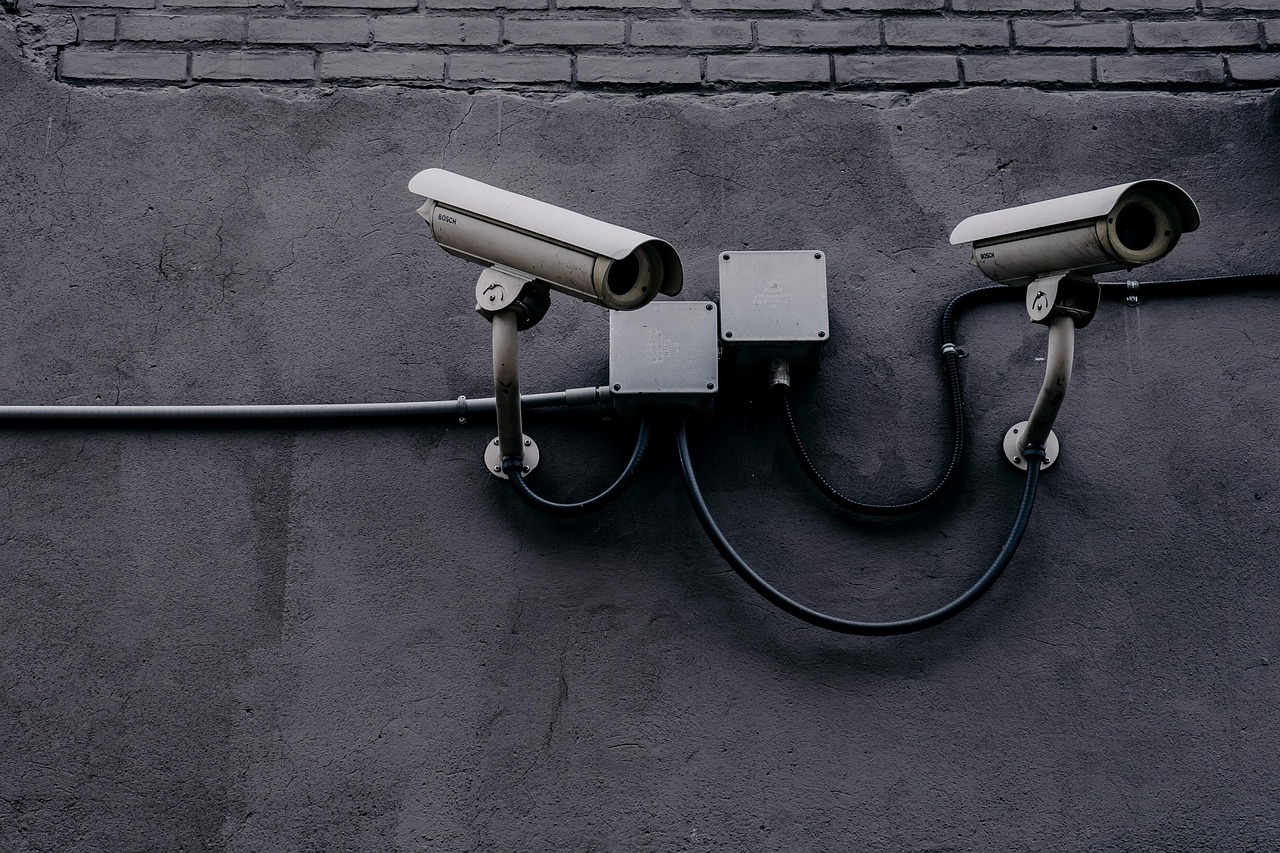
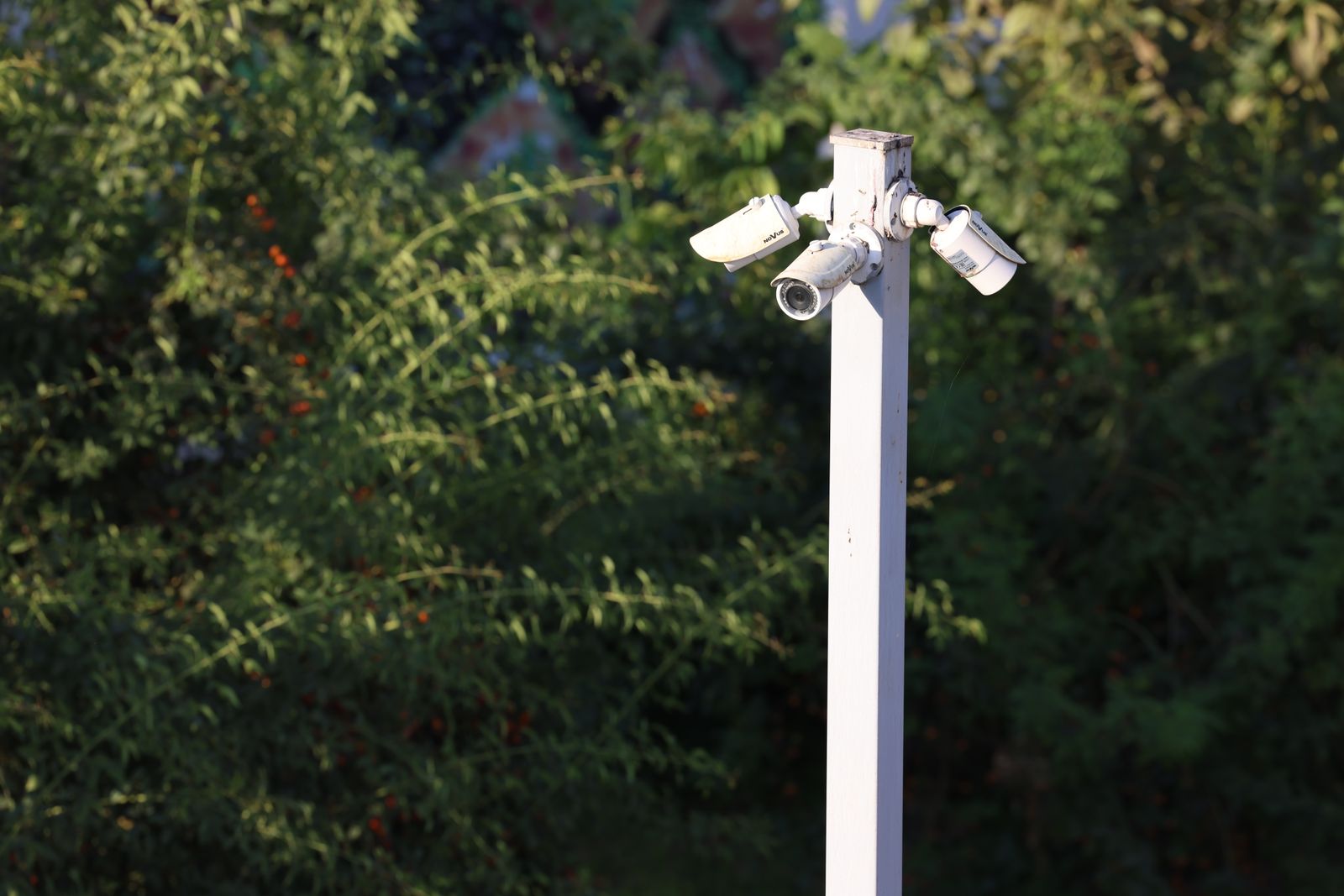
What does travel across is the underlying logic. The Court accepted that assembling a detailed picture of where someone has been is a constitutional intrusion even when each individual data point is mundane and even when a company holds it. A network of cameras that logs every passing plate and retains it produces exactly that kind of picture. That argument now has a Supreme Court majority behind it, which is why the litigation to come matters more than the ruling itself.
What you can actually do locally
Practically, the honest summary is this. A meaningful principle was established, the specific fight continues in the lower courts, and nothing about the cameras on your street changed on 29 June. If you want to know what is deployed where you live, the productive route is still local: public records requests, city council agendas, and the contracts that authorise these systems, all of which are visible long before a court gets to them.

What does travel across is the underlying logic. The Court accepted that assembling a detailed picture of where someone has been is a constitutional intrusion even when each individual data point is mundane and even when a company holds it. A network of cameras that logs every passing plate and retains it produces exactly that kind of picture. That argument now has a Supreme Court majority behind it, which is why the litigation to come matters more than the ruling itself.