
New Jersey just banned 'surveillance pricing': what it means for your data
- WeThePurple
- News
- 6 min read
On July 23, 2026, New Jersey signed the Fair Price Protection Act, barring stores from using your personal data to set individualized prices on groceries and essentials. What surveillance pricing is, exactly what the law does, and why privacy advocates call it a landmark.
On July 23, 2026, New Jersey Governor Mikie Sherrill signed the Fair Price Protection Act, a state law that bans "surveillance pricing" on groceries and other everyday necessities. In plain terms, a store can no longer look at what it knows about you - your browsing, your location, your past purchases - and quietly decide that you, specifically, should pay more. Privacy advocates, including the Electronic Privacy Information Center (EPIC), have described it as one of the strongest measures of its kind in the country.
New Jersey is not acting alone, and that is the real story. Maryland signed the first state ban in April 2026 and Connecticut followed in May, with its measure taking effect on October 1. New York's legislature passed its own One Fair Price Act in June, which is awaiting the governor's signature. Across the country, roughly two dozen states have introduced more than forty bills aimed at data-driven pricing. What was an abstract worry - that the data collected about you could be used against your own wallet - is becoming a concrete, prohibited practice, state by state.
What 'surveillance pricing' actually is

Surveillance pricing, sometimes called personalized or algorithmic pricing, is the practice of setting a price for one specific shopper based on data about them, rather than posting one price for everyone. The inputs can include your device, your location, your purchase history, loyalty-program records, and profiles bought from data brokers. An algorithm then estimates the most you are likely to be willing, or able, to pay, and nudges the price toward that number.
It is different from an ordinary sale or a loyalty discount, where everyone who meets the same condition gets the same deal. With surveillance pricing, two people can see two different prices for the identical item at the same moment, for no reason other than what the data predicts about each of them. US regulators, including the Federal Trade Commission, have flagged the practice and how granular the targeting can become.
What the New Jersey law does
The Fair Price Protection Act prohibits businesses from using a shopper's personal data to set an individualized price on groceries and other necessities. It is aimed squarely at the data-driven, per-person price-setting described above, rather than at normal promotions that any shopper can take up.
- On 2026-07-23, New Jersey signed the Fair Price Protection Act, banning "surveillance pricing" on groceries and everyday necessities - following Maryland (April) and Connecticut (May).
- Surveillance pricing means setting an individualized price from your personal data (device, location, purchase history, data-broker profiles) based on what you are predicted to pay.
- The law bans data-driven per-person pricing, adds a one-year moratorium on new electronic shelf labels, and leaves loyalty programs and ordinary discounts untouched.
- Privacy advocates including EPIC call it one of the strongest such laws in the US; it closes the loop between data collection and what you are charged.
- Most states have no equivalent yet: practical defenses are sharing less data, comparing prices logged-out and across devices, and reducing tracking.
The law also places a one-year moratorium on new deployments of electronic shelf labels - the digital price tags that can change a displayed price remotely and instantly - while the New Jersey Innovation Authority studies their effects. Importantly, it does not ban customer loyalty programs or ordinary discounts, so shoppers keep those.
Why privacy advocates care
For privacy groups, surveillance pricing is the moment data collection stops feeling abstract. The same profiles built from your online activity, and sold on by data brokers, can now feed directly into what you are charged at the register. That closes a loop many people did not know existed: the data economy reaching quietly into household budgets.
It also raises fairness and discrimination concerns. If prices are set from data-driven guesses about who can pay more, the people charged extra may correlate with income, neighborhood, or other sensitive traits - with no transparency, and no practical way to see, let alone contest, the price they were assigned.
If you do not live in New Jersey
Most states still have no equivalent protection, so for now the practical defenses are the familiar privacy basics: limit the data you hand over, compare prices across devices and in a private or logged-out browser, be wary of loyalty programs that trade discounts for detailed tracking, and use tools that reduce location and browsing tracking. None of that is a complete fix, but it narrows the profile a retailer can price against.
Why this is worth watching
New Jersey's law is likely to serve as a template. When one state defines a data practice as unfair and bans it, others often follow, and companies frequently adjust nationwide rather than run different systems state by state. Whether surveillance pricing becomes a normalized part of retail or a regulated exception may hinge on what happens after this first ban - which is exactly why it is worth watching.
Is Congress going after surveillance pricing too?
Congress is now asking the same question. In May 2026, Representative Frank Pallone, ranking member of the House Energy and Commerce Committee, sent letters to 25 major corporations asking whether they use customers' personal data to show different people different prices for the same goods. In August 2026 he widened the inquiry to the eight largest US airlines, with answers requested by August 25, 2026.
Two things are worth keeping straight here. A congressional inquiry is not a law and not a finding of wrongdoing - it is a request for answers, and companies routinely reply that their pricing reflects demand rather than the individual shopper. What it does show is that the practice New Jersey banned at state level is being examined federally, and across a sector where nobody expected groceries-style price tags. Whether it produces rules or simply a paper trail is genuinely undecided.


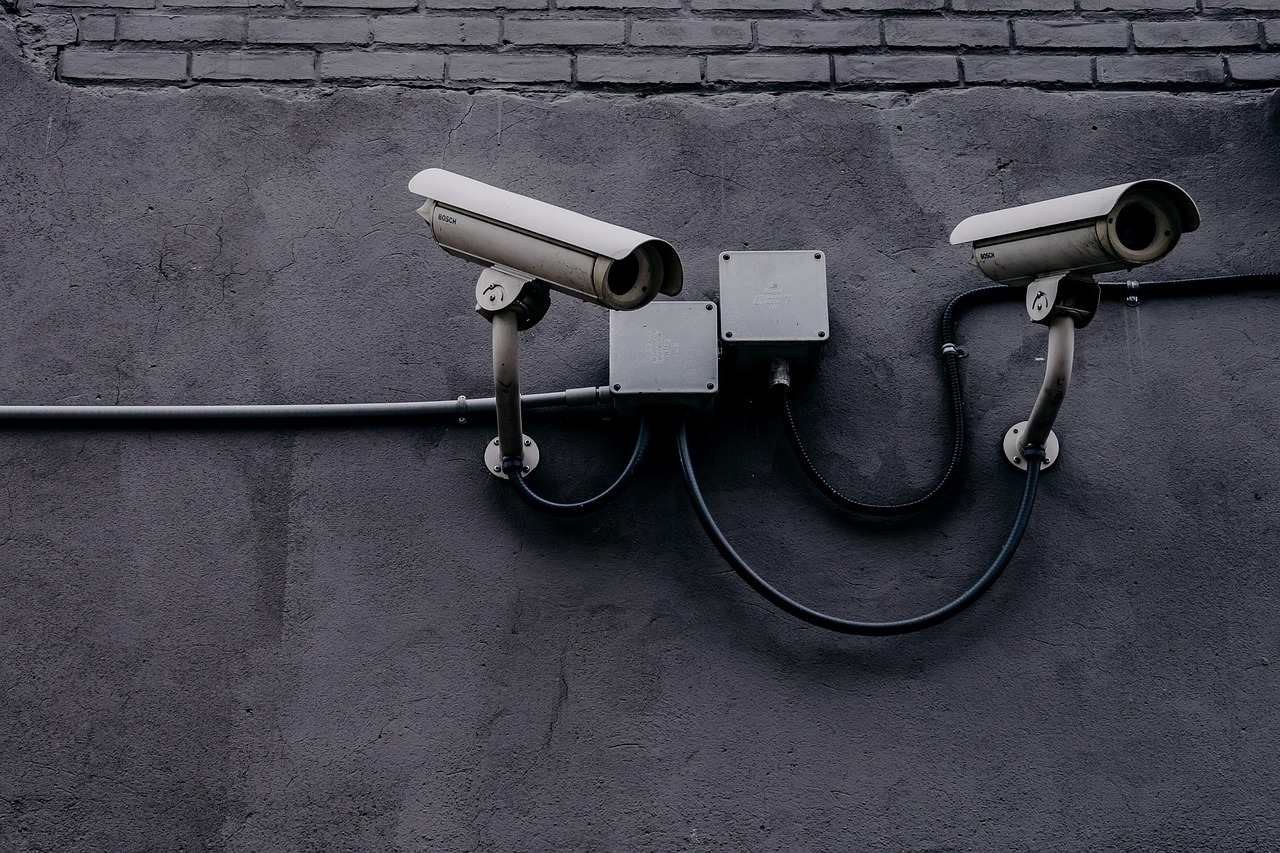
New Jersey's law is likely to serve as a template. When one state defines a data practice as unfair and bans it, others often follow, and companies frequently adjust nationwide rather than run different systems state by state. Whether surveillance pricing becomes a normalized part of retail or a regulated exception may hinge on what happens after this first ban - which is exactly why it is worth watching.