
What is an automatic license plate reader?
- WeThePurple
- Rights
- 6 min read
An ALPR records every plate it sees, not just the ones on a hotlist. What a single scan actually contains, why the retention period decides what the system really is, and which of the defences people try are illegal and useless.
An automatic license plate reader is a camera with software attached. It photographs a plate, converts the characters into text, and writes a record. The technology itself is unremarkable. What makes it worth understanding is what happens to the records of the cars that did nothing wrong.
What the camera actually records
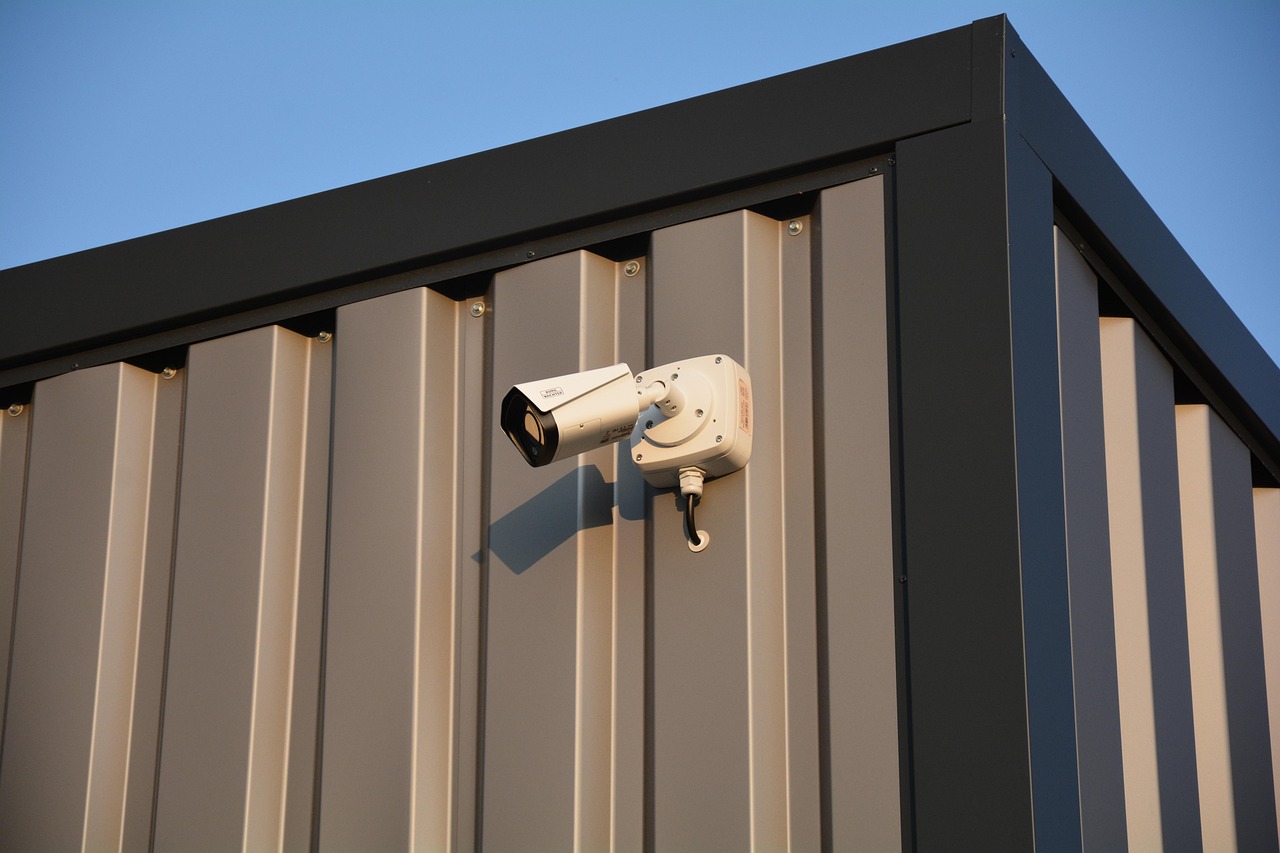
A single scan usually produces far more than a plate number. The typical record holds the characters read, the date and time to the second, the GPS coordinates of the camera or of the patrol car carrying it, and at least one photograph of the vehicle. Some systems keep a wider shot that includes whatever else happened to be in frame.
The cameras come in two forms. Fixed readers sit on poles, bridges, and the entrances to car parks and neighbourhoods, watching a chokepoint continuously. Mobile readers are bolted to patrol cars and scan every plate they pass, including parked cars on residential streets, which quietly turns an ordinary patrol into a survey of who was home. That geography is not a permanent limit, either: a vendor has already proposed mounting readers in working private vehicles to close the gaps between the poles.
They are not run only by police. Parking operators, repossession firms, residents' associations and shopping centres deploy the same hardware, and some of the largest databases were built by private companies that then sell access to them. In Europe the technology usually goes by ANPR, automatic number plate recognition, and the acronym is close to the only thing that changes.
Everyone gets recorded, not just suspects
Here is the part people consistently get wrong. A reader does not decide whether to record you. It records every plate it sees, then compares each one against a hotlist of vehicles of interest. A match raises an alert. A non-match produces a stored record anyway, and the non-matches are the overwhelming majority of everything the system holds.
- where a vehicle sleeps at night, and therefore where its owner probably lives
- the route and timing of a daily commute, and any change to it
- attendance at a place of worship, a clinic, a union hall or a protest
- which two vehicles repeatedly turn up at the same place at the same time
That stored pile is the actual product. How long it is kept is a policy decision that varies enormously between agencies, from a few days to several years, and it is the single number that decides what the system is. Kept for a day, it is a tool for finding a stolen car. Kept for two years and pooled across a vendor network that many agencies query, it becomes a searchable history of where a given vehicle has been. With enough retained scans, someone with database access can reconstruct:
None of that required a warrant, a suspicion, or any decision about you in particular. It is the by-product of a system that was sold as a way to find stolen cars, and the distance between those two descriptions is the whole of the argument.
What you can actually do about it
The honest answer at the individual level is that there is very little you can do technically. Plate covers, reflective sprays and tilting brackets are illegal in most places, do not work reliably against modern infrared readers, and convert a passive record into a traffic stop. Anyone selling you a defeat device is selling you a fine.
The levers that do move are procedural, and they are unusually accessible. The route for a specific vendor's deployment, such as Flock Safety cameras, runs through the same public records. Retention limits, mandatory audit logs of who searched what, and restrictions on sharing with outside agencies are set locally, in public meetings, by bodies that are often surprised anyone is paying attention. Most agencies have to disclose their policy on request, and reading it is the first concrete step, because the retention period tells you which of the two systems above you are actually living under.
Audit logs matter more than they sound. The documented abuses of these systems have rarely been mass conspiracies. They have been individuals with legitimate access looking up an ex-partner, a neighbour, or a colleague. A network that logs every query and actually reviews the log is a different risk from one that does not, even when the cameras and the retention rules are identical.

None of that required a warrant, a suspicion, or any decision about you in particular. It is the by-product of a system that was sold as a way to find stolen cars, and the distance between those two descriptions is the whole of the argument.