What is surveillance pricing (and how to protect your privacy from it)?
- WeThePurple
- Rights
- 7 min read
Surveillance pricing sets an individual price from the data collected about you - your device, location and history. What it is, how it works, what regulators are doing (the US FTC opened a study in 2024), and the practical steps to protect your privacy from it.
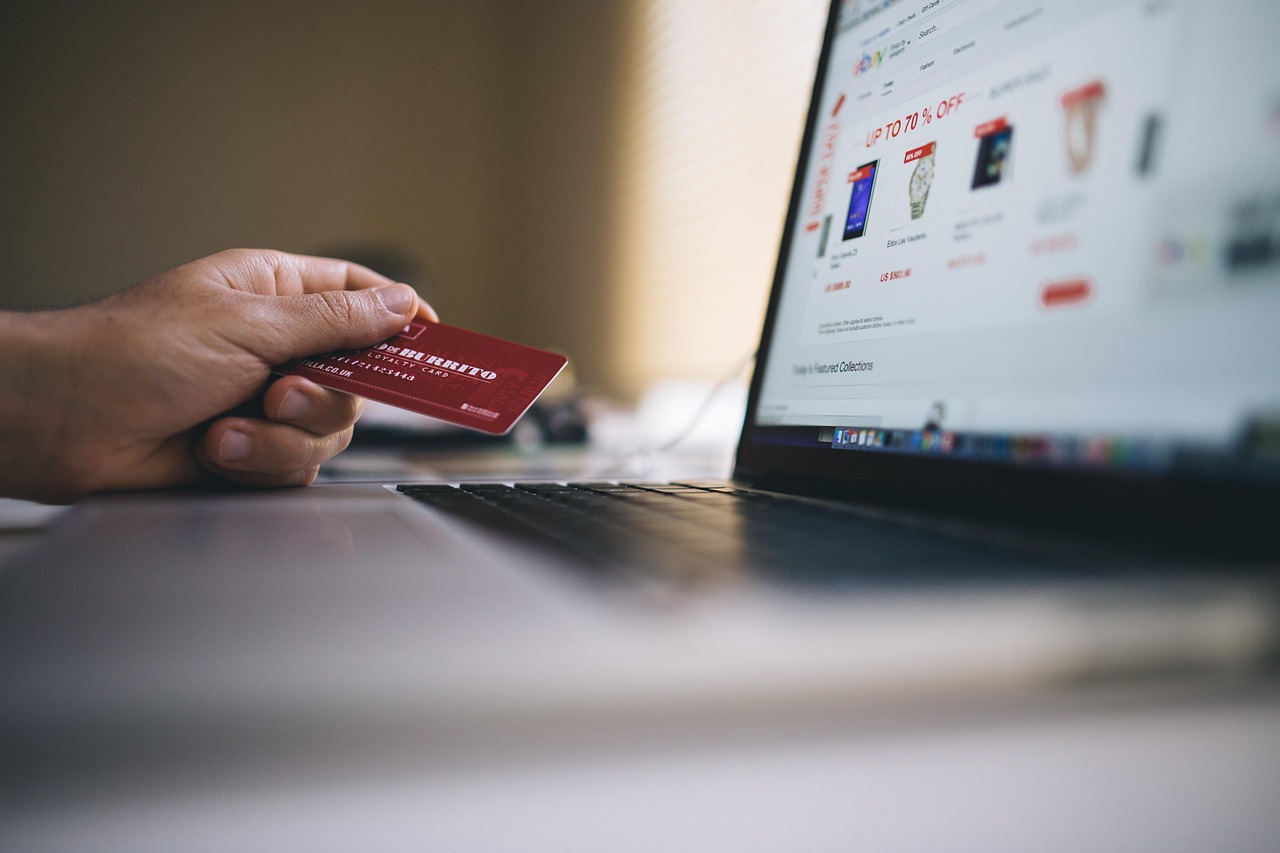
You search for a flight, a pair of headphones or a ride home, and the price you see is set just for you. Not the sticker price everyone pays, but a number shaped by what a company knows about you: your device, your location, your browsing history, even how urgently you seem to need the thing. This is surveillance pricing, and it has moved from a fringe worry to a mainstream concern. This guide explains what it is, how it works, what regulators are doing about it, and the practical steps you can take to protect your privacy from it.
Surveillance pricing - sometimes called surveillance-based pricing or personalised pricing - is the practice of setting prices for individual shoppers based on personal data collected about them. Instead of one price for a product, a company can show different prices to different people at the same moment, calculated from the data it has gathered or bought. It is a direct example of why your personal data has commercial value: the more a seller knows about you, the more precisely it can decide what you are likely to pay.
How surveillance pricing works

It usually starts with data. Companies build a profile from the signals you leave behind - the device and operating system you use, your approximate location, the time of day, your past purchases, how long you linger on a page, and data bought from third parties such as data brokers. Algorithms then estimate how much you, specifically, might be willing to pay, and the checkout price is adjusted accordingly.
The result can be subtle. Two people searching for the same hotel room on the same night may see different prices. Someone shopping on an expensive phone, or from a wealthier postcode, or who has shown they will buy regardless, may be quoted more. Because each shopper only ever sees their own price, the practice is largely invisible - you cannot compare your price with your neighbour's, so it is hard to even know it is happening.
Is it legal? What regulators are doing
The legal picture is still taking shape, and it varies by country. In the United States, the Federal Trade Commission launched a study into surveillance pricing in 2024, ordering several intermediary companies to hand over information about how they use consumer data to set individualised prices; the FTC published initial staff findings in January 2025. The practice has also drawn scrutiny from lawmakers, including a US House committee that has pressed ride-hailing companies over data-driven pricing.
- Shop in a private or incognito window, signed out, to strip away some personal context
- Use a VPN to hide your IP address and approximate location from pricing algorithms
- Block trackers and clear cookies between sessions so visits are harder to link
- Compare the same product across devices and browsers - different prices are a red flag
- Opt out of data brokers, since the data they sell can feed individualised pricing
- Be wary of urgency cues ("only 1 left", countdown timers) designed to push a quick buy
In the European Union, charging different prices based on personal data sits uneasily alongside data-protection law: the GDPR requires a lawful basis to process personal data, and consumer-protection rules require transparency about how prices are set. None of this makes every form of dynamic pricing illegal - prices that change with overall demand, like surge pricing, are different from prices tailored to an individual's profile - but it does mean companies face growing pressure to disclose and justify what they do.
How to protect yourself
You cannot opt out of surveillance pricing directly, but you can reduce the data that feeds it. The goal is to look less like a uniquely profitable, uniquely identifiable target and more like an ordinary, anonymous shopper. The same privacy habits that protect you elsewhere - limiting tracking, masking your location, clearing the signals that tie a session to your profile - also blunt the data that personalised pricing relies on.
Practical steps help. Comparing prices in a private or incognito window, while signed out, removes some of the personal context a site uses. A VPN hides your IP address and approximate location, so a seller cannot read your region or network as a pricing signal. Blocking trackers and clearing cookies between sessions makes it harder to link your visits into a single profile. None of these are guaranteed to lower a price, but together they reduce how much a company can learn about you - which is the whole point.
Surveillance pricing is a clear illustration of a bigger truth: the data collected about you is not abstract, it shapes what you are charged. You will not stop the practice on your own, and it deserves the regulatory attention it is starting to receive. But the privacy basics - fewer trackers, a hidden IP, a session that is not tied to a rich personal profile - are within your control, and they make you a harder target for pricing built on surveillance.

Practical steps help. Comparing prices in a private or incognito window, while signed out, removes some of the personal context a site uses. A VPN hides your IP address and approximate location, so a seller cannot read your region or network as a pricing signal. Blocking trackers and clearing cookies between sessions makes it harder to link your visits into a single profile. None of these are guaranteed to lower a price, but together they reduce how much a company can learn about you - which is the whole point.