Facial recognition comes to the store aisle: what shoppers should know
- WeThePurple
- News
- 6 min read
According to Biometric Update, some Grocery Outlet stores are deploying facial recognition (technology called SAFR) to identify people suspected of shoplifting. How in-store facial recognition works, the privacy and civil-rights concerns, the uneven legal picture, and what you can honestly know and do.
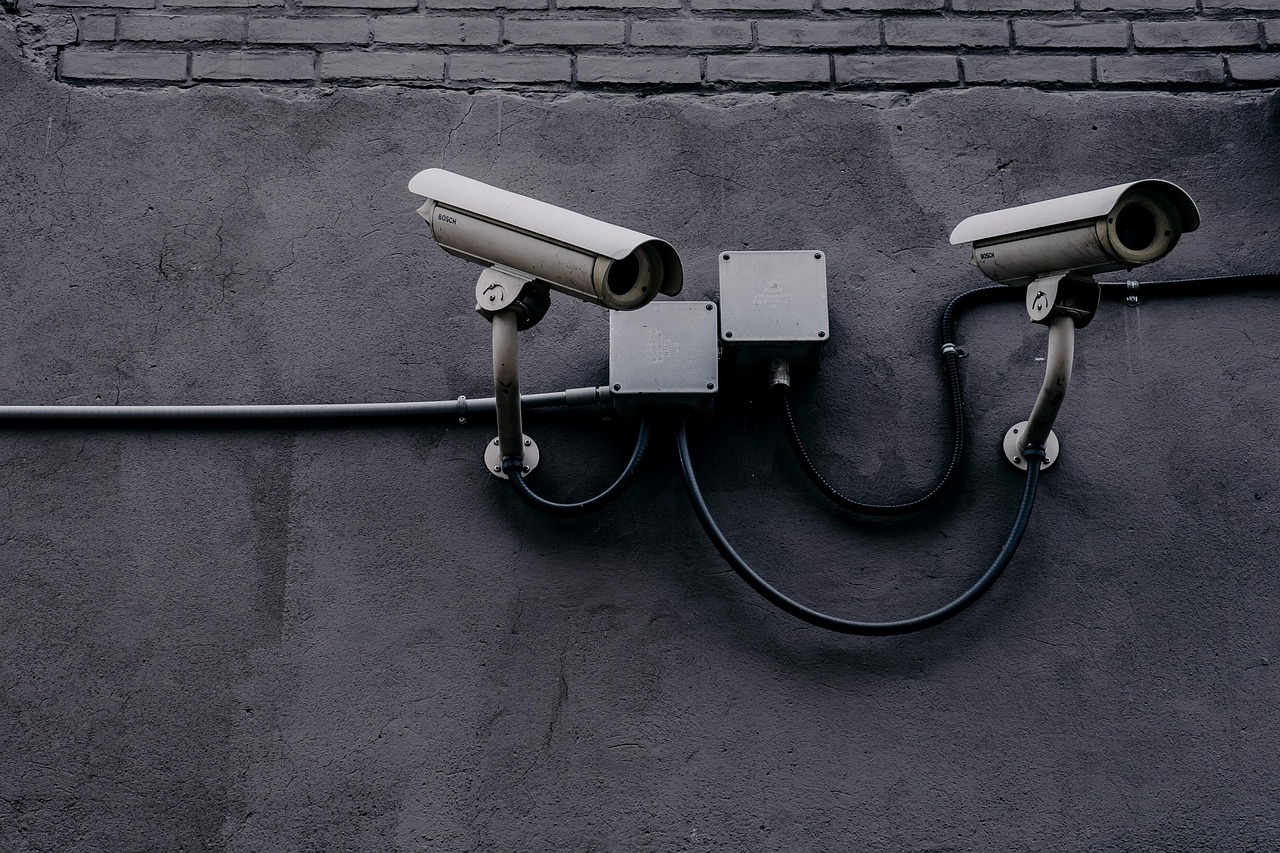
If you have ever been to a supermarket, you have been on camera. What is newer is the software behind the lens. According to Biometric Update, some Grocery Outlet stores are deploying facial recognition technology called SAFR to identify people suspected of shoplifting. It is a small detail in a much larger shift: the ordinary security camera is quietly becoming a system that can recognise faces, and the store aisle is one of the places where that change is happening first.
Retailers frame it as a response to theft. Store groups have reported rising losses from what the industry calls shrink, and some have turned to biometric tools to spot people they believe have stolen before. But putting facial recognition between the entrance and the shelves raises questions that go well beyond one company or one chain, because the same technology that flags a suspected thief also scans every other shopper who walks through the door.
How in-store facial recognition works
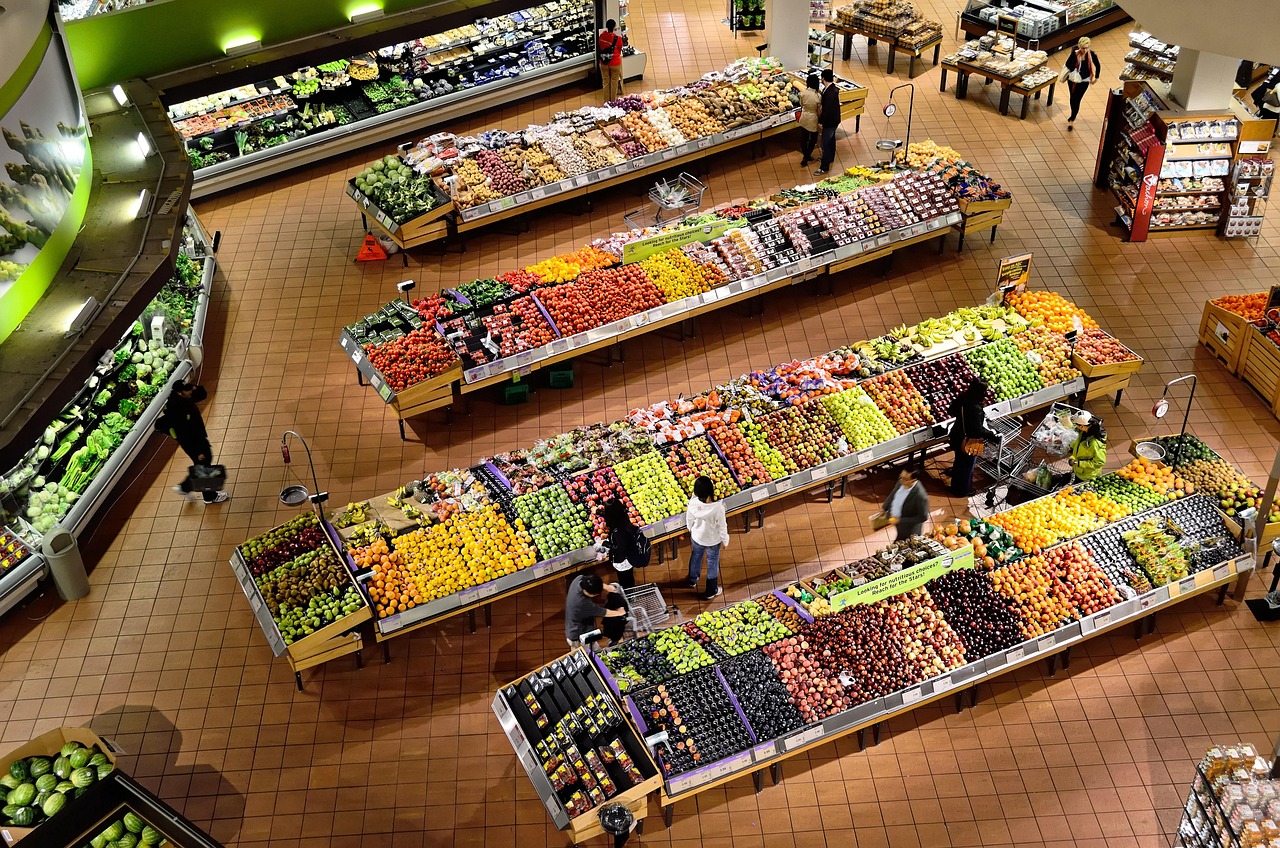
At a basic level, facial recognition in a store works by comparison. A camera captures a face, software turns the geometry of that face into a string of numbers often called a faceprint, and the system compares that faceprint against a database of stored images. If it finds a close match, it raises an alert to staff. The database is the part that matters most: in a retail setting it is typically a list of people the store or a vendor has previously flagged, which means the whole system depends on how that list was built and who ended up on it.
The privacy and civil-rights concerns
That is where the privacy and civil rights concerns begin. Facial recognition is not perfect, and independent testing over the years has found that accuracy can vary by demographic group, with higher error rates reported for some groups than others in a number of studies. A false match in a store is not an abstract statistic. It can mean a shopper is followed, questioned, refused service or asked to leave over a mistake by an algorithm, with little way to know why or to contest it.
- According to Biometric Update, some Grocery Outlet stores are deploying facial recognition (technology called SAFR) to identify people suspected of shoplifting
- In-store facial recognition works by turning your face into a faceprint and comparing it against a database of previously flagged people
- The system scans every shopper, not only suspects, usually without meaningful consent - and your face, unlike a password, cannot be changed
- Independent testing has found accuracy can vary by demographic group, so false matches are a real civil-rights concern
- Watch-list databases are often built on suspicion rather than conviction, with little transparency or recourse for those added
- The law varies widely: some places require consent or disclosure, a few cities restrict or ban it, many have no specific rules
- You can look for signage, ask a store how it handles biometric data, and use any local rights - but you cannot fully opt out of a space you do not control
There is also the question of consent. Most people walking into a shop to buy groceries have no idea their face is being converted into biometric data and checked against a list. Unlike a password, your face is permanent and public. You cannot change it if a database is breached or misused, and you rarely get to choose whether it is scanned in the first place. A faceprint collected to catch shoplifters is still sensitive biometric data, and the concern is not only how it is used today but how it might be shared, stored or repurposed later.
The database itself can become a problem. If a person is added to a watch list based on a suspicion rather than a conviction, they may be treated as a known offender across every store that shares that list, without any finding by a court. Errors can propagate, there is often no clear process to be removed, and the people affected may never be told they are on a list at all. Concentrating that power in a private database, outside the checks that apply to law enforcement, is one of the sharpest criticisms of retail facial recognition.
An uneven and shifting legal picture
The legal picture is uneven and still developing. Rules on biometric data differ widely from one place to another. Some jurisdictions have laws that regulate how biometric information can be collected and require consent or disclosure, and a handful of cities have restricted or banned certain uses of facial recognition, while many other places have no specific rules at all. Because the details vary so much and are changing, the honest summary is that whether in-store facial recognition is allowed, restricted or effectively unregulated depends heavily on where you are.
What shoppers can realistically know and do
For shoppers, the practical reality is that you often cannot tell whether a store uses this technology. Where laws require it, there may be a sign near the entrance disclosing that facial recognition is in use, but signage is inconsistent and easy to miss. You can look for posted notices, ask a store whether it uses facial recognition and how any data is handled, and where local law gives you rights over biometric data, you can exercise them. These steps are limited, and it would be dishonest to pretend they let you opt out entirely of a system running in a space you do not control.
The bigger response is collective rather than individual. Advocacy groups, some lawmakers and privacy regulators are pushing for clearer rules on where facial recognition can be used, what a watch list must be based on, how long data is kept and how someone can find out they have been flagged and challenge it. Supporting that work, and paying attention to how your own local representatives treat biometric surveillance, tends to matter more than any single trick at the checkout.
Why this is worth watching
The Grocery Outlet deployment reported by Biometric Update is worth watching not because one grocery chain is unusual, but because it is ordinary. Facial recognition in stores is spreading in small, quiet steps, each one easy to justify on its own and hard to see as part of a pattern. The useful habit is to notice it: to remember that a camera pointed at a checkout may now be doing far more than recording video, and to ask what happens to your face after it leaves the frame.
The bigger response is collective rather than individual. Advocacy groups, some lawmakers and privacy regulators are pushing for clearer rules on where facial recognition can be used, what a watch list must be based on, how long data is kept and how someone can find out they have been flagged and challenge it. Supporting that work, and paying attention to how your own local representatives treat biometric surveillance, tends to matter more than any single trick at the checkout.