Brazil's Facial Recognition Boom: Inside Smart Sampa and the Fight Over Public Surveillance
- WeThePurple
- News
- 7 min read
Around 40 Brazilian cities now run facial recognition, led by Sao Paulo's 20,000-camera Smart Sampa. How these systems work, the documented racial bias, what Brazil's LGPD does and doesn't cover, and the honest limits of what you can do about it.
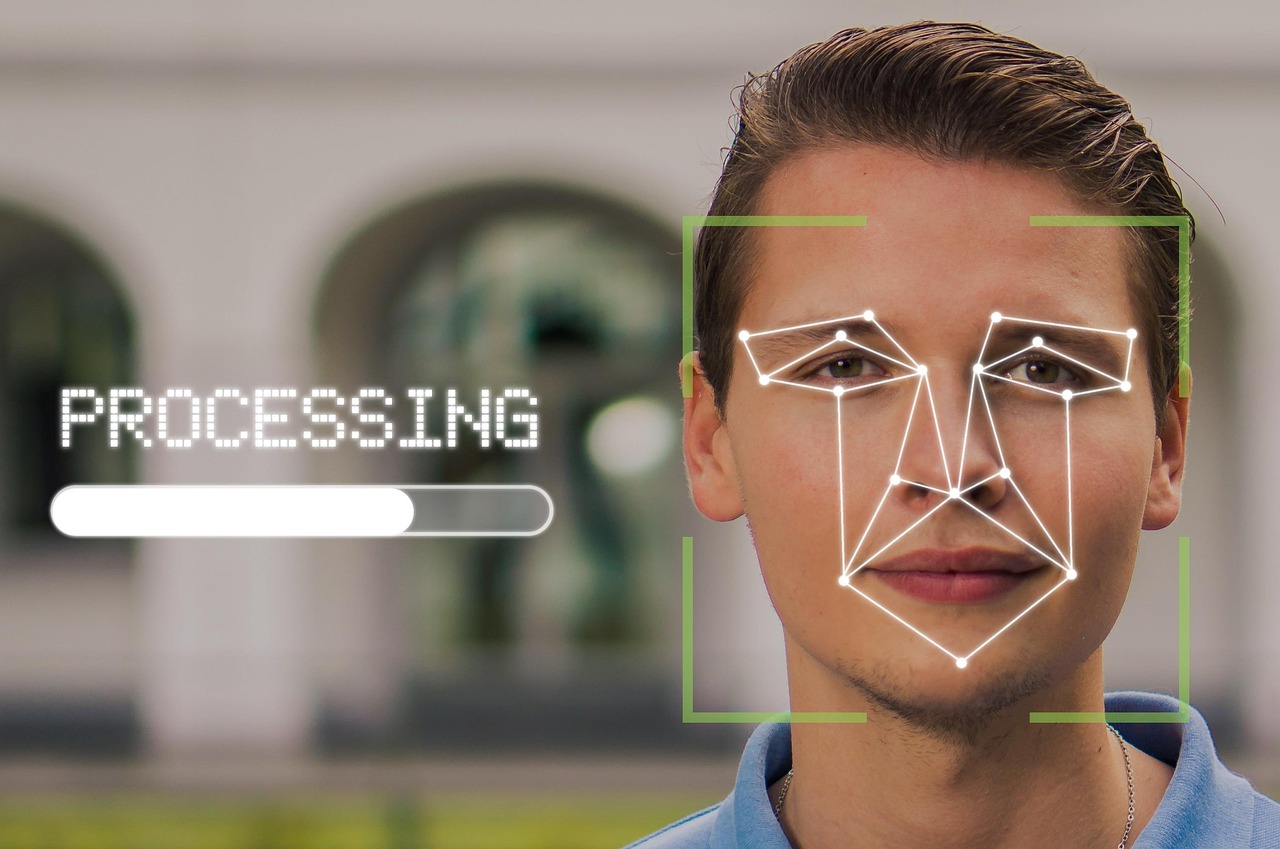
Facial recognition has quietly become part of everyday public life in Brazil. Roughly 40 cities have begun deploying the technology across policing, transport and public safety, and the flagship is Sao Paulo's Smart Sampa: a single platform tied to around 20,000 cameras that can match faces against watchlists in real time. For anyone who cares about privacy, it is one of the largest live tests anywhere of what happens when a city wires biometric surveillance into its streets.
This is not a story about a distant dystopia; it is about systems that are running now, the bias they have already shown, and the gap between how fast the cameras spread and how slowly the rules catch up. This guide covers what Smart Sampa actually is, the documented accuracy problems, where Brazil's data-protection law fits, and the honest limits of what an individual can do.
What Smart Sampa actually is
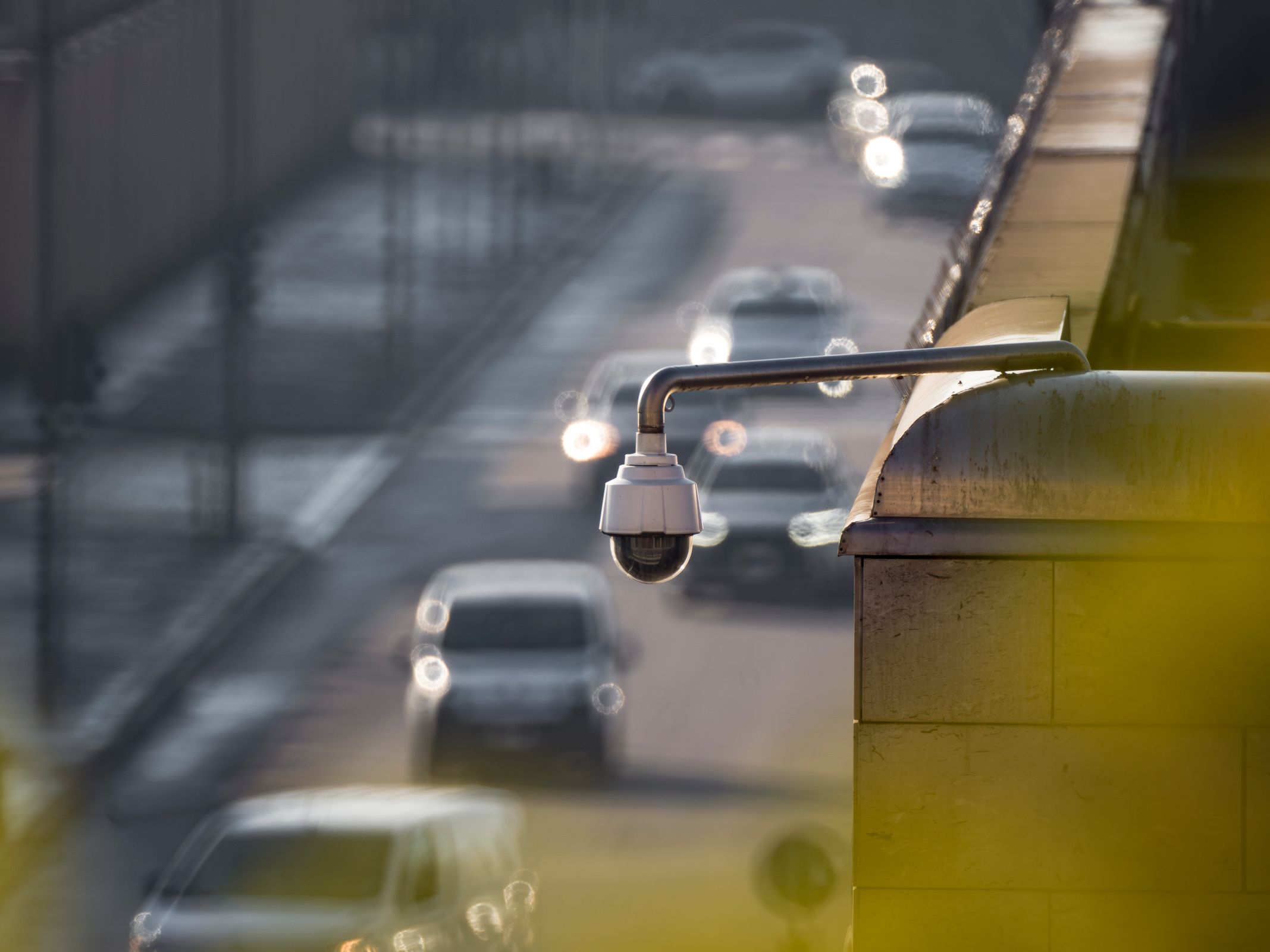
Smart Sampa is Sao Paulo's attempt to unify video surveillance under one roof. It integrates roughly 20,000 cameras with emergency services, traffic and transit operations and police, and layers facial recognition on top so the system can store and cross-reference time, location and biometric data. In practice that means a face captured on a bus corridor can be checked against a database and logged with where and when it appeared.
The build-out is not only public. A Brazilian startup, Gabriel, announced full integration with Smart Sampa, and separately struck a deal with the military police in Rio de Janeiro to feed live footage and licence-plate reads into a central command centre equipped with facial-recognition software. That blend of municipal programs and private vendors is a big part of why the networks have grown so quickly.
The documented bias problem
The central criticism is accuracy, and who pays for the errors. Facial recognition does not misidentify people evenly: error rates tend to be higher for some groups than others. A 2019 study cited in the Brazilian debate found that 90.05 percent of the people arrested through decisions based on facial recognition in Brazil were black. When a false match leads to a stop or an arrest, the cost of the mistake falls on real people.
- Around 40 Brazilian cities now use facial recognition; Sao Paulo's Smart Sampa ties it to roughly 20,000 cameras with real-time matching
- Private vendors are expanding it: the startup Gabriel integrated with Smart Sampa and feeds footage and plate reads to Rio's military police command centre
- Documented bias: a 2019 study found 90.05% of those arrested via facial-recognition decisions in Brazil were black; operators cite a 90% confidence threshold
- Brazil's LGPD (in force since 2020) treats biometric data as sensitive, but public-security uses sit in a gray zone with limited oversight
- No individual step stops a public camera seeing your face; the realistic goal is cutting links between your physical presence and digital identity
- Practical moves: tighten app location permissions, opt out of data brokers, use privacy-respecting services; a VPN hides your IP but not your face
Smart Sampa's operators say the system observes a threshold of at least 90 percent confidence before authorities are supposed to act on a match. But digital-rights lawyers point out that a 10 percent margin, applied across millions of faces in a large city, still produces a steady stream of wrong identifications, and that the burden falls hardest on black residents. A stated threshold is not the same as an independent audit of real-world results.
Where the law stands
Brazil is not without rules. Its data-protection law, the LGPD, has been in force since 2020 and treats biometric data as a sensitive category that deserves extra protection. On paper that is a strong foundation. In practice, public-security and law-enforcement uses sit in a grayer zone, oversight of municipal programs is limited, and enforcement has not kept pace with deployment, so the legal guardrails are weaker than the reach of the technology.
The Brazilian case mirrors a global pattern: cities are switching on biometric surveillance faster than the laws and audits that are supposed to constrain it. Coverage from outlets including The Economist and Time has tracked the expansion precisely because it is an early, large-scale test of whether civil-rights protections can keep pace with the cameras, rather than a problem unique to one country.
What you can actually do
So what can you actually do? Start with an honest premise: nothing an individual does will stop a public camera from capturing your face in a square or a station. The realistic goal is not invisibility but reducing the links between your physical presence and your digital identity, so that a single sighting reveals as little as possible about the rest of your life.
Practical steps help at the margins. Review the location permissions on your phone and switch off background location for apps that do not need it. Opt out of data brokers that sell your profile where you can, and prefer privacy-respecting services for search, email and messaging. A VPN will not stop a camera from seeing your face, but it hides your IP and network location, breaking one of the easiest links between your online identity and your physical movements.
The bigger picture
The honest takeaway is that public facial recognition is a policy question more than a personal-tech one. The protections that actually matter are collective and legal: transparency about where cameras run, independent audits of accuracy and bias, clear limits on retention, and in some places outright moratoriums. Brazil's rollout is an early, unusually large test of whether those safeguards can keep up, and it is worth watching closely wherever you live.


Practical steps help at the margins. Review the location permissions on your phone and switch off background location for apps that do not need it. Opt out of data brokers that sell your profile where you can, and prefer privacy-respecting services for search, email and messaging. A VPN will not stop a camera from seeing your face, but it hides your IP and network location, breaking one of the easiest links between your online identity and your physical movements.