
A Câmara aprova o KIDS Act: o que o KOSA significa para a privacidade online e a liberdade de expressão
- WeThePurple
- Notícias
- 6 min de leitura
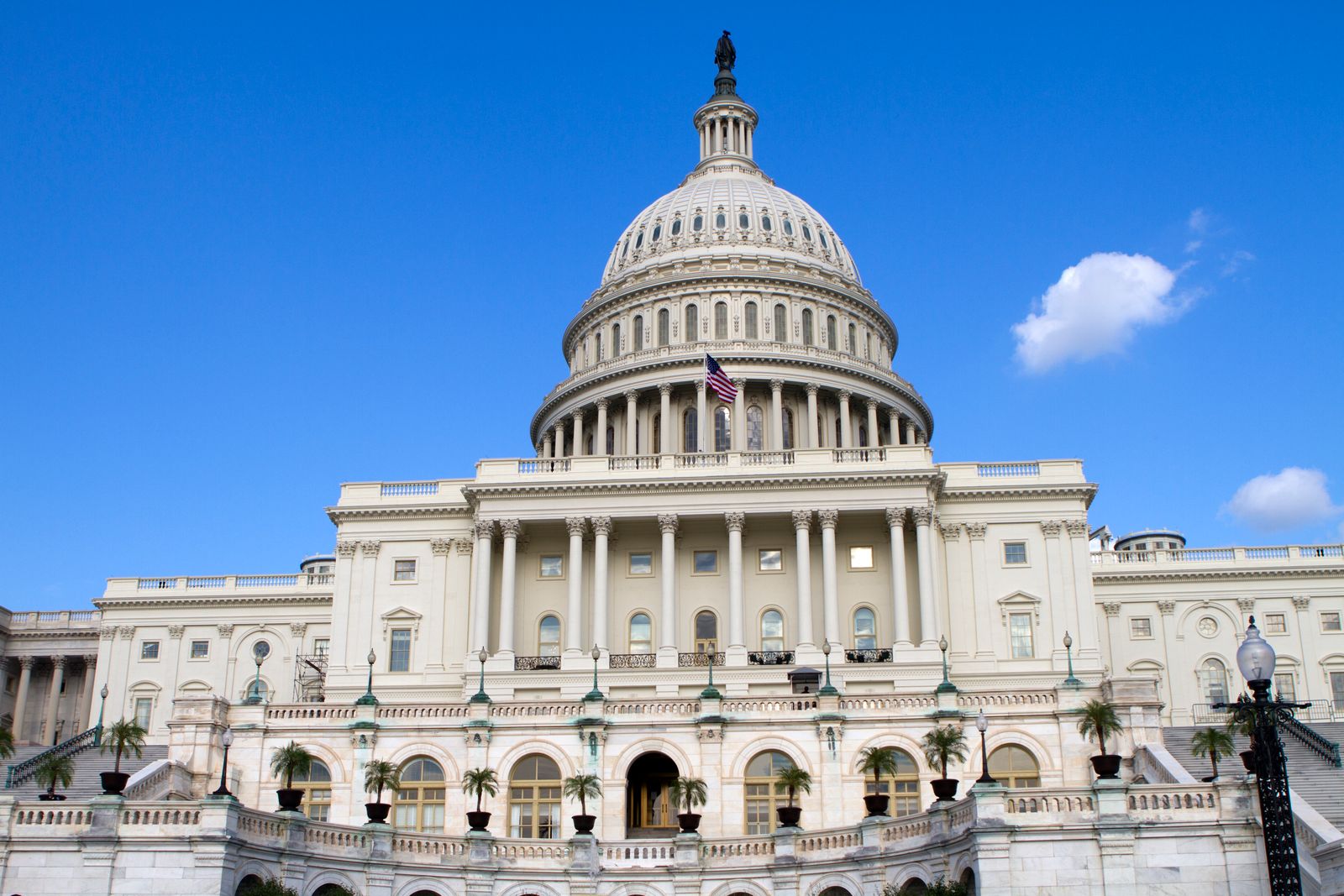
Na segunda-feira, a Câmara dos Representantes dos EUA aprovou o Kids Internet and Digital Safety (KIDS) Act, H.R. 7757, por 267 votos contra 117, enviando-o para o Senado. O que a sua peça central - o Kids Online Safety Act - exige realmente, as restantes disposições do diploma e as proteções de privacidade, bem como as preocupações com as liberdades civis que levanta.
Na segunda-feira, a Câmara dos Representantes dos Estados Unidos aprovou o Kids Internet and Digital Safety (KIDS) Act, um conjunto de medidas de segurança online destinadas a proteger os menores, por 267 votos contra 117. O diploma, formalmente H.R. 7757, segue agora para o Senado, onde o seu destino é incerto. A votação reuniu o apoio dos dois partidos, um raro momento bipartidário na regulação da tecnologia.
No centro do diploma está o Kids Online Safety Act, mais conhecido como KOSA - uma proposta debatida em Washington há vários anos. Para um site dedicado aos direitos digitais, o projeto merece uma leitura atenta, porque se situa exatamente na linha de fratura entre duas coisas que importam às pessoas: proteger as crianças online e proteger a privacidade e a liberdade de expressão de todos. Como noticiado por órgãos como o Washington Times, a NBC News e o The Hill, a versão da Câmara junta o KOSA a várias outras medidas, pelo que vale a pena distinguir o que cada parte faz de facto.
O que a KOSA exige realmente
A ideia central do KOSA é levar as empresas de redes sociais a tornar as suas plataformas mais seguras para os menores por predefinição, em vez de deixar o encargo com os pais e os filhos. Na prática, isso significa configurar automaticamente as contas dos menores com as definições de segurança e privacidade mais fortes disponíveis, acrescentar mais controlos parentais e alterar elementos de conceção - como os que incentivam um uso compulsivo e sem fim - que podem prejudicar os jovens utilizadores.
O mecanismo que atraiu mais atenção é aquilo a que o KOSA chama "dever de diligência". Em termos gerais, exigiria que as plataformas abrangidas tomassem medidas razoáveis para prevenir determinados danos aos menores na conceção e no funcionamento dos seus serviços. Os defensores veem nisto uma obrigação há muito devida; os críticos receiam que um dever amplo e formulado de forma aberta possa ser interpretado de maneiras que vão muito além da sua intenção - uma tensão a que voltamos mais adiante.
As outras medidas do pacote
O KOSA é apenas o título. O pacote mais amplo do KIDS Act integra uma série de regras adicionais. Bloquearia as mensagens privadas para crianças com menos de 13 anos e restringiria as funções de mensagens que desaparecem para adolescentes com menos de 17 anos - funções que podem tornar mais difícil aos pais ou às plataformas detetar contactos nocivos.
- Na segunda-feira, a Câmara dos EUA aprovou o Kids Internet and Digital Safety (KIDS) Act, H.R. 7757, por 267 votos a 117; segue agora para o Senado
- A sua peça central, o Kids Online Safety Act (KOSA), configuraria as contas dos menores com as definições de segurança e privacidade mais fortes por predefinição e acrescentaria um "dever de diligência" para as plataformas
- O pacote bloqueia ainda as mensagens privadas para menores de 13 anos, restringe as mensagens que desaparecem para menores de 17 anos, acrescenta salvaguardas para chatbots de IA e videojogos, impõe a verificação de idade para sites pornográficos e limita os anúncios dirigidos que usam os dados dos menores
- Vantagem para a privacidade: definições por predefinição mais fortes e menor exploração dos dados dos menores
- Preocupação com as liberdades civis (EFF): as obrigações de verificação de idade podem forçar todos os utilizadores a provar a sua identidade, e um amplo "dever de diligência" poderia levar as plataformas a remover em excesso conteúdos lícitos
- O próximo passo é o Senado, onde o resultado é incerto
O pacote volta-se também para as tecnologias mais recentes. Inclui salvaguardas para os menores que interagem com chatbots de IA e salvaguardas nas plataformas de videojogos interativos - um reconhecimento de que os lugares onde as crianças passam tempo online vão hoje muito além dos feeds sociais tradicionais. São áreas em que, até agora, as regras dedicadas aos menores têm sido escassas.
Mais duas disposições tocam diretamente na privacidade e no acesso. O diploma imporia requisitos de verificação de idade aos sites pornográficos e restringiria o uso dos dados dos menores para publicidade dirigida. O limite à publicidade é um ganho claro de privacidade para os jovens utilizadores; a obrigação de verificação de idade é, como veremos, também o ponto onde surgem algumas das objeções mais fortes em matéria de liberdades civis.
A preocupação com as liberdades civis
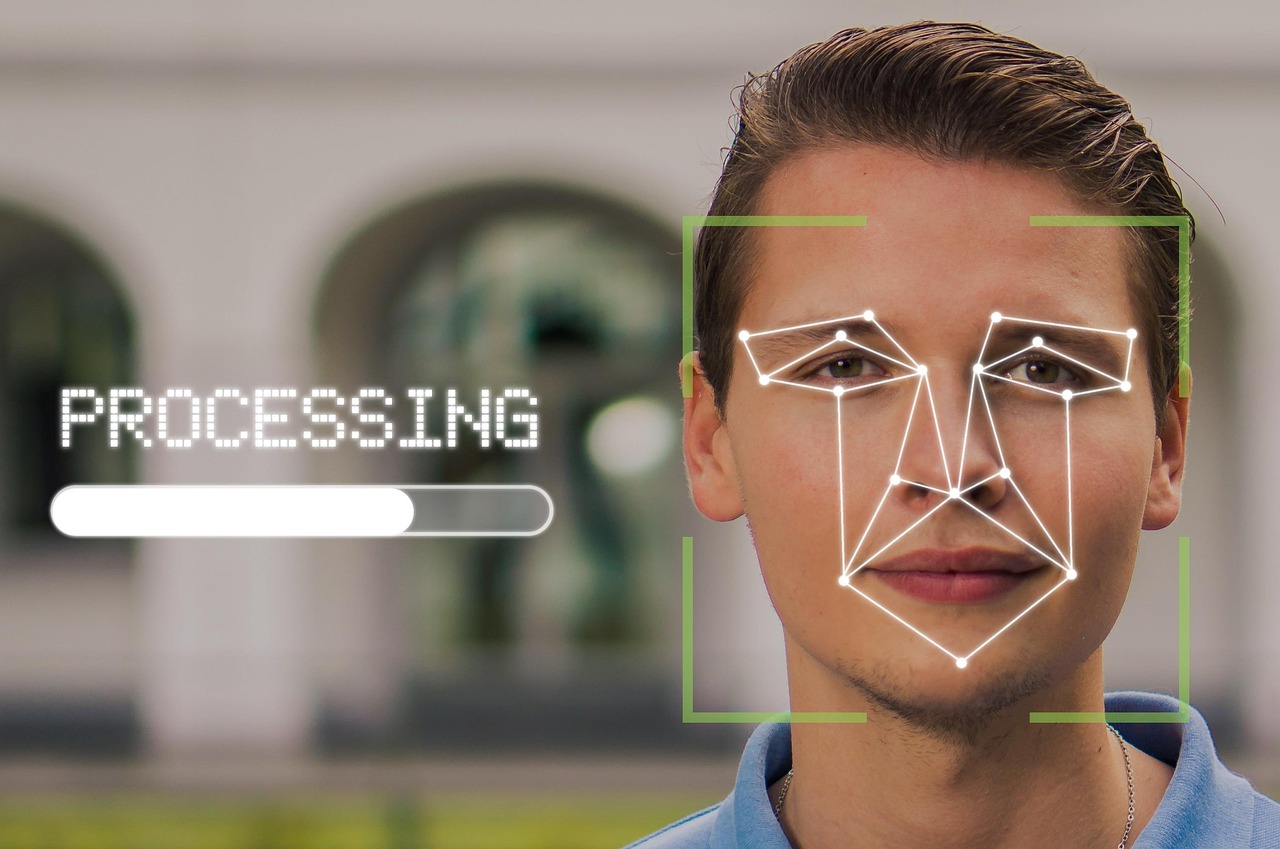
Os defensores dos direitos digitais não se opuseram ao objetivo de proteger as crianças, mas levantaram preocupações concretas sobre como funcionam algumas destas ferramentas. A Electronic Frontier Foundation (EFF), um grupo de longa data pelas liberdades civis digitais, alertou que as obrigações de verificação de idade não limitam o seu efeito às crianças: para provar que um utilizador tem idade suficiente, um site em geral tem de verificar a idade - e muitas vezes a identidade - de todos os que aparecem, incluindo os adultos. Isso transforma a navegação anónima em navegação identificada e cria novos conjuntos de dados de identidade sensíveis que podem ser violados ou usados indevidamente.
A segunda preocupação é sobre a expressão. Os críticos, incluindo a EFF, argumentam que um amplo "dever de diligência" poderia pressionar as plataformas a remover em excesso conteúdos lícitos para evitar responsabilidade - pendendo para a remoção na dúvida. Como aquilo que conta como nocivo para os menores pode ser lido de forma ampla, o receio é que informação legal - sobre saúde, sexualidade ou temas controversos - possa ser arrastada juntamente com material realmente nocivo. Não são hipóteses inventadas para desvalorizar o diploma; são os compromissos que tornam genuinamente contestada uma lei bem-intencionada.
O ganho para a privacidade
É igualmente importante expor com honestidade os argumentos a favor do diploma. Configurar as contas dos menores com as definições mais protetoras por predefinição, limitar o uso dos seus dados para publicidade dirigida e restringir as funções concebidas para maximizar o tempo passado na aplicação empurram todas numa direção protetora da privacidade. Durante anos, a predefinição correu no sentido inverso - rumo à máxima recolha de dados e ao máximo envolvimento - e uma lei que inverte a predefinição para os jovens utilizadores responde a uma preocupação real e amplamente partilhada. O retrato honesto é que o mesmo pacote contém tanto proteções significativas de privacidade como riscos significativos para as liberdades civis, e pessoas sensatas ponderam-nos de forma diferente.
O que observar na passagem ao Senado
Para um leitor atento à privacidade, o mais útil de acompanhar agora é o Senado. A votação da Câmara faz avançar o diploma, mas não o torna lei, e o Senado já analisou versões anteriores do KOSA sem as aprovar; o resultado permanece genuinamente incerto. À medida que avança, os detalhes a seguir são os que decidem o equilíbrio de privacidade: quão amplamente é redigido o "dever de diligência" e se a verificação de idade é concebida para minimizar os dados recolhidos de todos - ou para exigir a identidade completa de cada visitante.
Aconteça o que acontecer no Senado, a tensão de fundo não vai desaparecer. Definições de privacidade por predefinição mais fortes para os menores são algo que a maioria das pessoas quer; os sistemas de verificação de idade que pedem a cada adulto para provar quem é são algo a que os grupos de direitos digitais se opõem há muito. Ambos podem coexistir na mesma lei, o que é precisamente a razão pela qual merece uma leitura cuidadosa em vez de um simples aplauso ou assobio. As perguntas que levanta - quem tem de se identificar para ir online e quanta expressão lícita uma regra de segurança deve poder tocar - vão sobreviver a esta votação em particular.


É igualmente importante expor com honestidade os argumentos a favor do diploma. Configurar as contas dos menores com as definições mais protetoras por predefinição, limitar o uso dos seus dados para publicidade dirigida e restringir as funções concebidas para maximizar o tempo passado na aplicação empurram todas numa direção protetora da privacidade. Durante anos, a predefinição correu no sentido inverso - rumo à máxima recolha de dados e ao máximo envolvimento - e uma lei que inverte a predefinição para os jovens utilizadores responde a uma preocupação real e amplamente partilhada. O retrato honesto é que o mesmo pacote contém tanto proteções significativas de privacidade como riscos significativos para as liberdades civis, e pessoas sensatas ponderam-nos de forma diferente.