Do smart TVs spy on you? What ACR actually collects
- WeThePurple
- Protect
- 5 min read
Your television is not listening to your living room - it is reading its own screen. Automatic content recognition fingerprints what you watch several times a second, including from HDMI, and ties it to your home IP. What that means, and where the off switch hides.
Ask whether your television is watching you back and you will get two unhelpful answers. One says the microphone is listening to your living room. The other says it is all paranoia. Both are wrong, and the truth is more interesting than either - because the thing your TV really collects is not your conversation. It is what is on the screen.
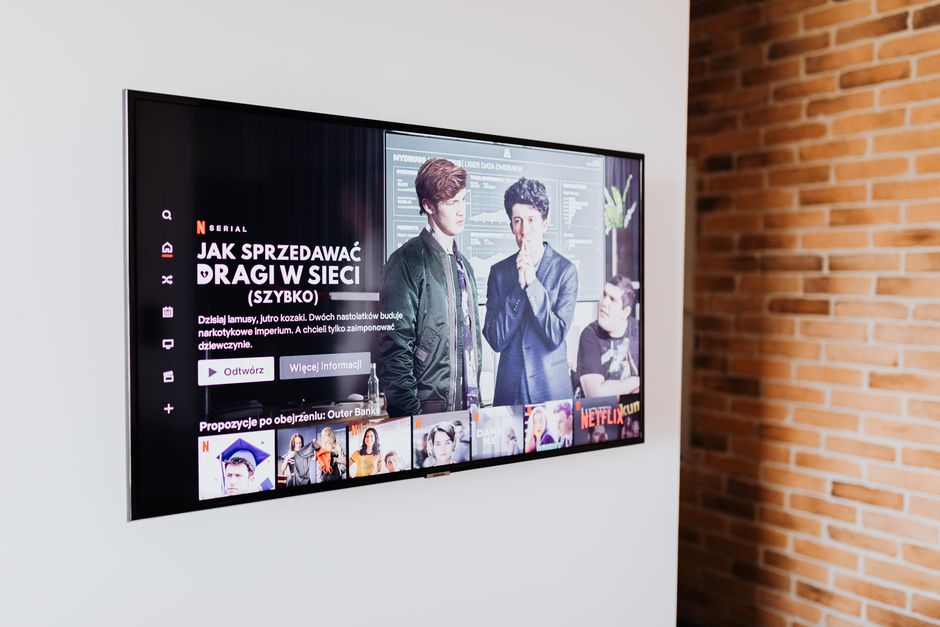
The technology has a name: automatic content recognition, usually shortened to ACR. Several times a second, the television samples what it is displaying - a fingerprint of the pixels, sometimes of the audio - and compares it against a reference database. It does not need to know which app you opened or which channel you tuned. It recognises the content itself.
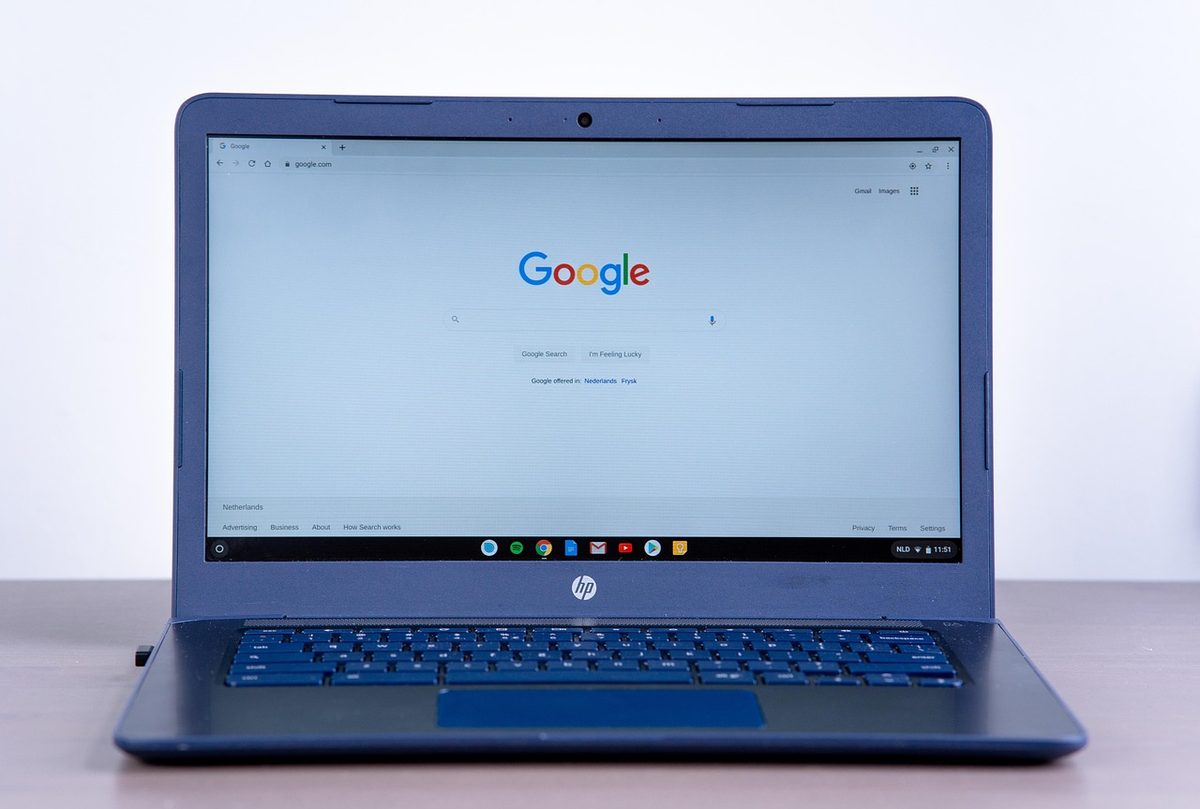
That distinction is what makes ACR unusual. Because it reads the picture rather than the source, it works on anything the screen shows. A streaming app, yes - but also a broadcast through an aerial, a games console, a cable box, a laptop plugged into HDMI, a DVD. Connecting a "dumb" device to a smart television does not put you outside the system; the television is still looking at its own screen.
What that produces is a minute-by-minute record of household viewing, tied to your home's IP address and to an advertising identifier the set carries much like a phone does. That record is valuable for one obvious reason: it lets an advertiser who showed you something on television check whether you later searched for it on your laptop, because both devices share the same address. The car in the driveway runs the same play with location and braking data, see what data your car collects.
This is not hypothetical or new. In 2017 the US Federal Trade Commission settled with Vizio over the collection of viewing data from millions of televisions without meaningful consent - the complaint described second-by-second viewing information sold on to third parties. The settlement is the reason ACR now comes with a consent screen at setup. It is also the reason that screen is designed to be clicked through quickly.
The microphone question deserves a straight answer. There is a microphone, and it is usually in the remote rather than the set. It is gated behind a wake word or a press-to-talk button, and it is not a general-purpose room recorder. The genuine, documented privacy problem with smart televisions is viewing data collected continuously by design - not audio captured secretly. Being precise here matters, because the myth is easier to dismiss than the reality, and dismissing the myth tends to take the reality with it.
So what can you actually do? The setting exists, but it is rarely called anything recognisable. Manufacturers file it under names such as *Viewing Information Services*, *Live Plus*, or an entry about *interest-based advertising* - buried in privacy or support menus rather than picture settings. Turning it off stops the fingerprinting; it does not delete what was already collected.
Beyond the toggle, the reliable move is to change what the television can see or say. A set that is never connected to Wi-Fi cannot report anything, which turns an expensive smart TV into an excellent monitor - and pushes the streaming apps onto a separate device you can choose more carefully. Resetting the advertising identifier periodically breaks the link between old and new records, in the same way it does on a phone. And blocking the telemetry domains at your router or DNS resolver stops the reporting without touching the set's menus at all.
None of this makes the television a villain. It makes it what most connected hardware now is: a device sold once and monetised continuously, where the default settings serve the manufacturer and the useful ones are two menus deep. The question worth asking about any screen you buy is not whether it collects - it is whether you can find the switch, and whether it still works when you turn it off.
Blocking a tracker removes one observer. It does not change what a lost and unlocked device still opens, nor which single account receives every password-reset link you will ever need. Situate your own attack surface, 10 questions, about three minutes, no account, no email, nothing stored.